






Waste generated during new construction, renovation, and expansion of various buildings, structures, and pipeline networks
Concrete blocks, brick and tile fragments, mortar, pile heads, metals, wood, plastics, etc.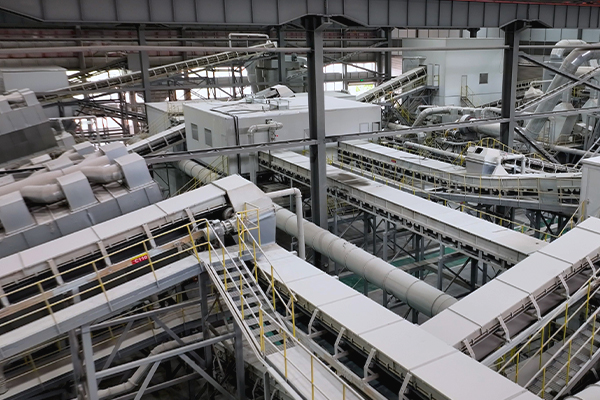
Municipal Solid Waste / C&D Waste
C&D Waste Resource Recovery Solution
Construction and demolition waste is solid waste generated during engineering construction, demolition, and renovation processes. Based on source and composition, it is primarily classified into three categories: construction waste, demolition waste, and renovation waste.
MATERIAL TYPES
Three Major Disposal Material Categories
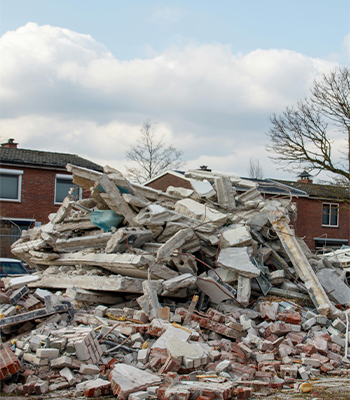
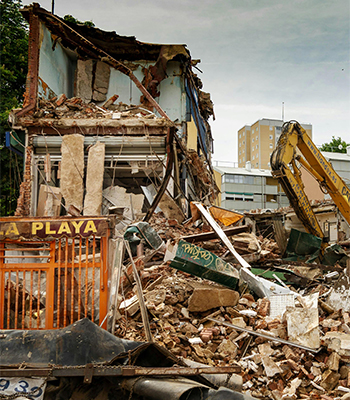
Waste generated from the complete or partial demolition of existing buildings and structures
Reinforced concrete, bricks, stones, blocks, insulation materials, doors and windows, rebar, etc.Waste generated during interior decoration and renovation of residential and commercial spaces
Gypsum board, lightweight bricks, ceramic tiles, wood, plastics, fabrics, glass, mixed lightweight materials, etc.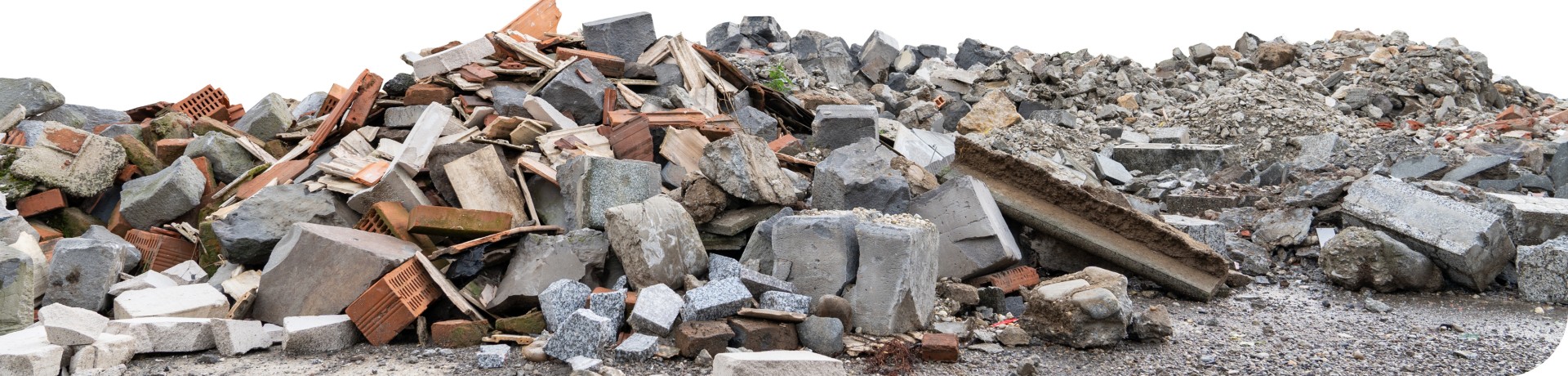
INDUSTRY PAIN POINTS
Six Major Industry Pain Points
Severely Insufficient Disposal Capacity
National C&D waste exceeds 3 billion tons annually, but compliant disposal rate is under 40%, with large amounts illegally dumped or simply landfilled
Shocking Environmental Pollution
Open-air stockpiling generates dust and leachate that contaminates soil and groundwater; transport spillage exacerbates air pollution, directly endangering public health
Waste Siege Threatening Ecology
Urban-rural fringes and waterways have become hotspots for illegal dumping, encroaching on land, damaging water systems, and causing safety risks
"Misplaced Resources" Being Wasted
Recoverable materials such as concrete, rebar, and wood in C&D waste exceed 70%, yet are not effectively utilized, wasting hundreds of billions in resource value annually
Low-Value Recycled Products
Under current technology, recycled aggregates are mostly used for low-end backfill, struggling to enter the building materials market, with poor project economics constraining industry investment
End-to-End Supervision Difficult to Implement
Information is fragmented across generation, transport, and disposal stages, making illegal dumping traceability difficult and enforcement costly, with "manifest systems" existing in name only
END-TO-END SYSTEM
JONO End-to-End Integrated Solution
We have built a full-process closed-loop management system so that every ton of C&D waste is "traceable at source, trackable in transit, compliant in disposal, and maximized in resource recovery."
Source classification, collect all that should be collected
- Professional collection teams: localized services with fixed points, times, and routes
- Policy guidance: aligned with government "polluter pays" mechanisms, incorporated into project budgets
- Integrated law enforcement coordination: data sharing with urban management and environmental protection departments to combat illegal dumping
Full visibility, intelligent dispatch
- Digital systems: electronic manifests, vehicle tracking, real-time weighing data uploads
- Smart cockpit: centralized multi-project monitoring, anomaly alerts, intelligent dispatch
- Hardware + software supervision: onboard terminals, weighbridges, video linkage to prevent en-route dumping
Precise sorting, turning waste into treasure
- Intelligent crushing and screening
- AI intelligent sorting
- Operations management platform
- Deep processing system
Value-driven, ecological closed loop
- High-value recycled aggregates
- Eco-friendly building materials
- Environmental benefits
- Carbon emission reduction
PROCESS
Disposal End: Precise Sorting, Turning Waste into Treasure
Construction Waste Disposal Process
Feeding → Coarse Crushing → Magnetic Separation → Screening → Impact Crushing → Air Classification → AI Intelligent Sorting → Fine Screening → Finished Aggregate
Core equipment: Mechanical crushing, screening, sorting, AI intelligent sorting, conveying systems, operations management platform, deep processing systemDemolition Waste Disposal Process
Feeding → Pre-Screening → Crushing → Magnetic Separation → Eddy Current Separation → AI Intelligent Sorting → Screening → Light Material Separation → Recycled Building Material Raw Materials
Core equipment: Mechanical crushing, screening, sorting, AI intelligent sorting, conveying systems, operations management platform, deep processing systemRenovation Waste Disposal Process
Feeding → Bag Breaking → Screening → Air Classification → Magnetic Separation → AI Intelligent Sorting → Crushing → Fine Screening → Clean Aggregate
Core equipment: Mechanical crushing, screening, sorting, AI intelligent sorting, conveying systems, operations management platform, deep processing system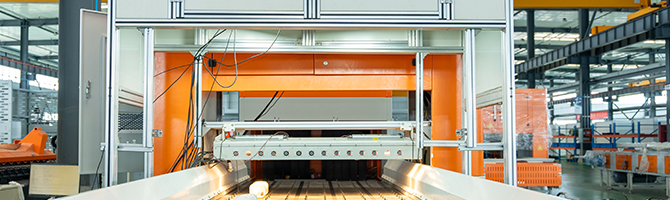
CORE TECHNOLOGY
Process Features and Core Technology Overview
Integrated full-process mechanical crushing, screening, and sorting
AI intelligent sorting precisely identifies wood/plastic, metals, brick/concrete, and lightweight materials
Operations management system (hardware + software platform) for full-plant digital control
Deep processing system extending to recycled bricks, cement-stabilized materials, RDF fuel
VALUE OUTPUT
Resource Recovery End: Value-Driven, Ecological Closed Loop
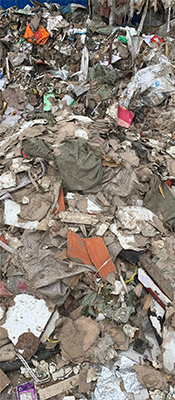
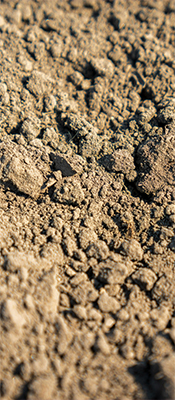
| Value Dimension | Specific Manifestation |
|---|---|
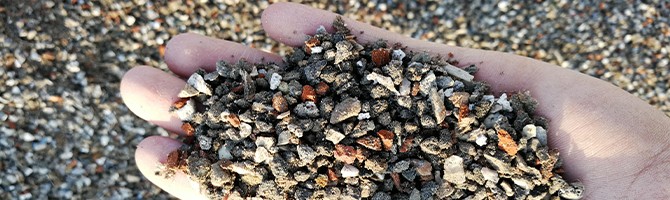
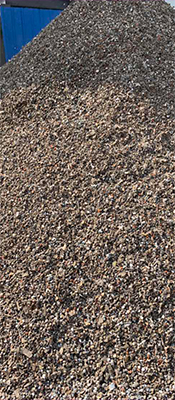
| Product Value | Recycled aggregate (replacing natural sand and stone), recycled permeable bricks, cement-stabilized base materials, RDF alternative fuel, recovered metals |
| Ecological Value | Reduced mining, conserved landfill land, reduced carbon emissions (approximately 0.6 tons CO2 reduction per ton of recycled aggregate) |
| Environmental Benefits | Eliminated dust and leachate pollution, restored encroached land, improved living environment |
CASE DISPLAY
Case Showcase (Value Demonstration)
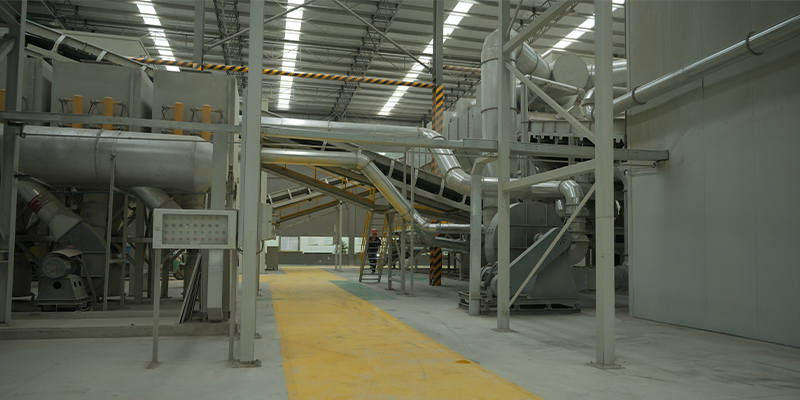
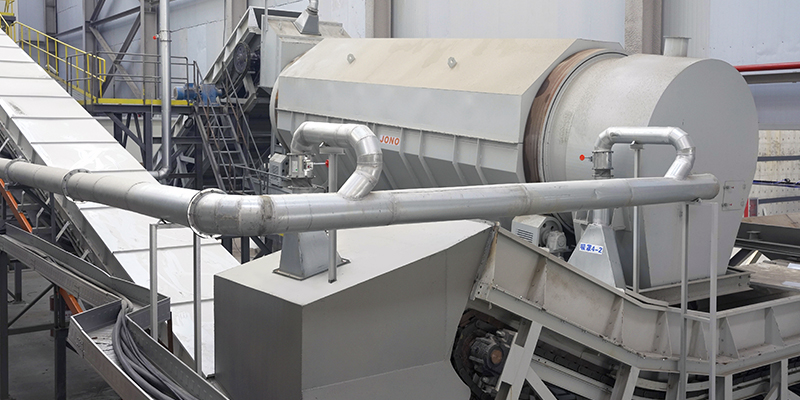
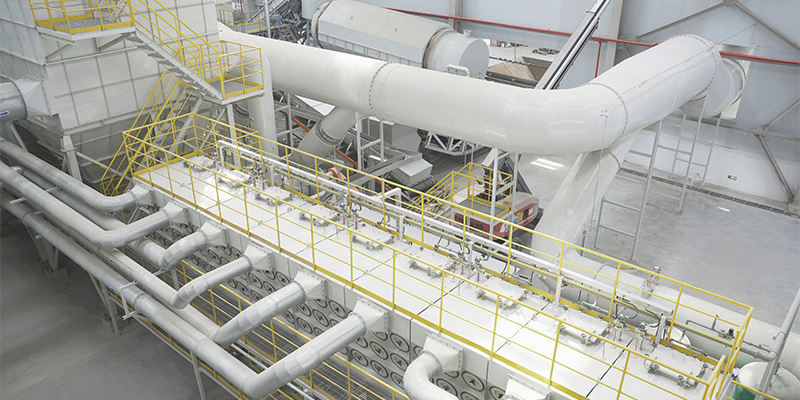
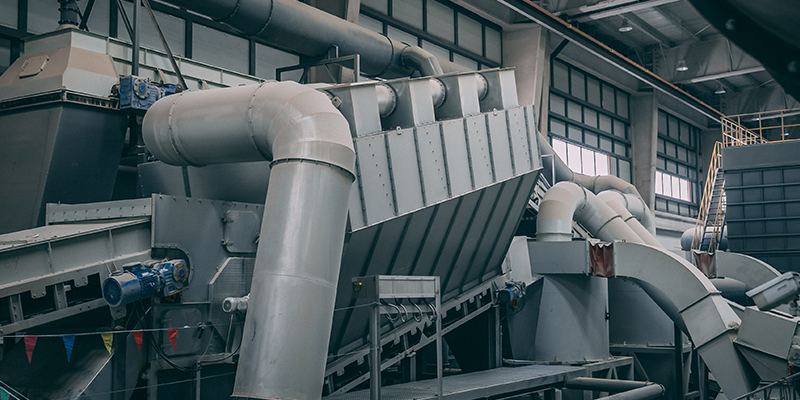
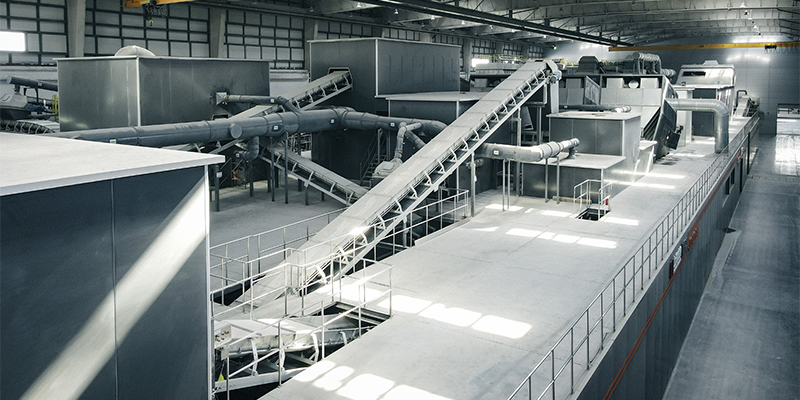
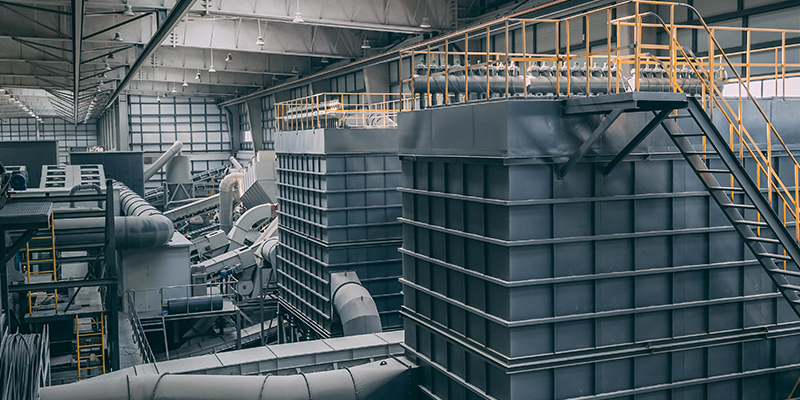
Disposal cases of various scales: covering solutions for construction waste, demolition waste, and renovation waste disposal systems.
Chengdu Project Site
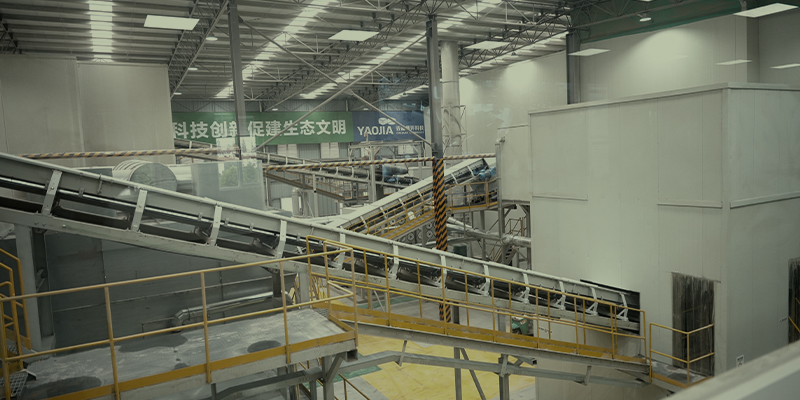
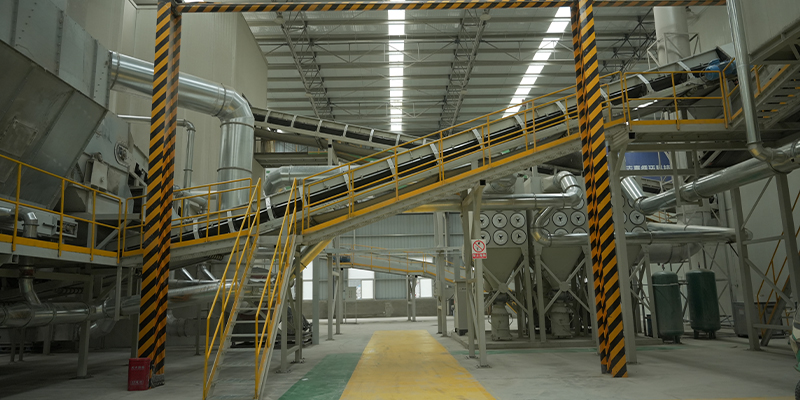
Jiangsu Project Site
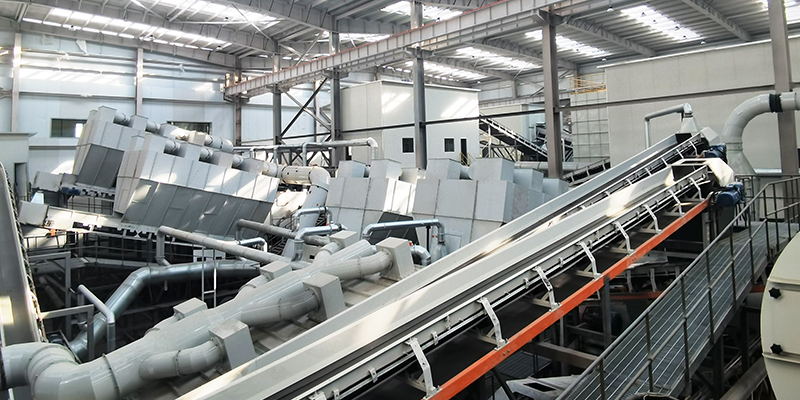
Shanghai Project Site
Municipal Solid Waste
Related Content
 Municipal Solid Waste
 Customer Cases
Covering multiple benchmark projects in the resource recovery industry, showcasing JONO's project practices and delivery results in municipal solid waste resource recovery scenarios.
 Municipal Solid Waste
 Waste Textile Solution
Waste textile recycling is an important initiative to promote green development. From an environmental perspective, it effectively reduces pollution from waste landfilling and incineration, lowers resource consumption and carbon emissions, and supports ecological protection. From an economic perspective, it enables circular utilization of waste resources, reduces raw material costs, and fosters new industry chains and employment opportunities. The industry still faces many challenges, especially in "pre-treatment and...
 Municipal Solid Waste
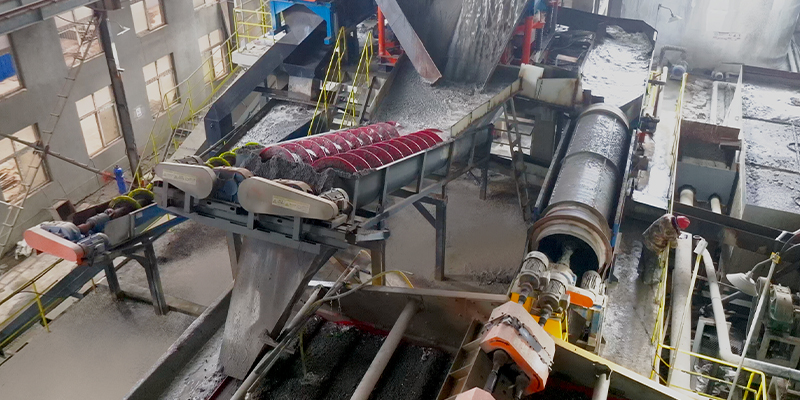
 Incineration Bottom Ash Solution
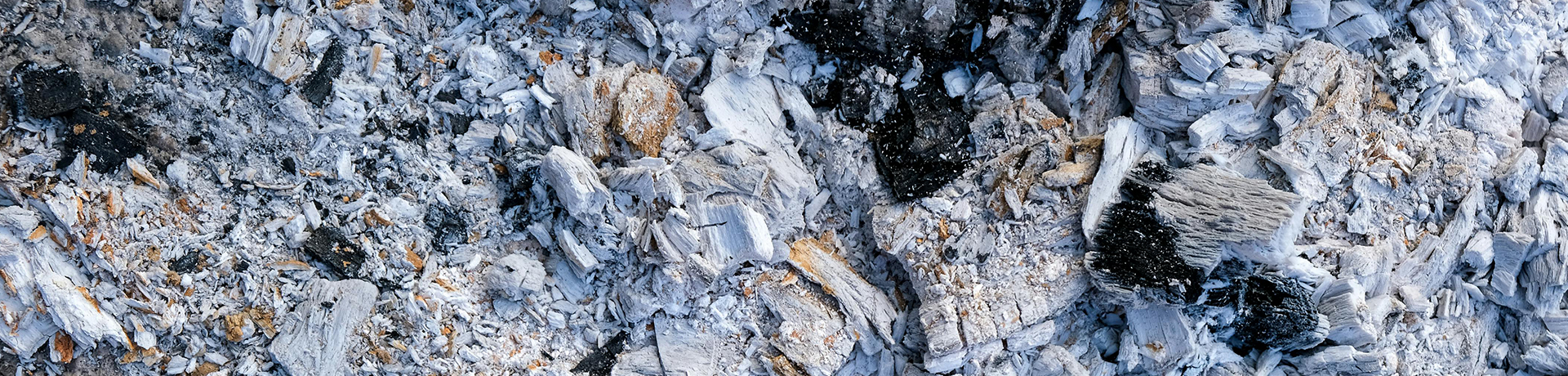
Bottom ash is a byproduct of municipal solid waste incineration, accounting for approximately 20%-30% of total waste volume, primarily composed of glass, slag, ceramic and brick fragments, stones, iron, and other metals; without proper treatment, it will inevitably cause secondary environmental pollution.