
Kitchen waste, food waste (leftover rice, vegetable leaves, meat bones, fish bones, waste edible oils)



Industry Center
Four Core Sectors Mining & Infrastructure, Food Processing, Municipal Solid Waste, Resource RecyclingOre Sorting & Mobile Crushing
XRT, HSI, LIBS, and mobile stations work together for mine waste rejection, grade improvement, and waste rock utilization.Protein, Fruit & Vegetable Processing
3D vision, hyperspectral imaging, X-ray, and intelligent cutting improve sorting, portioning, and processing efficiency.City-wide Integrated Solution
Solutions for household waste, construction and demolition waste, organic waste, plastic recycling, and incineration bottom ash recovery.Wind Turbine, Lithium Battery, PV Panel & Metal Recycling
Full-lifecycle resource recovery for new energy recycling, e-waste, and recycled metals.Product Center
Six Product Lines The intelligent foundation for sensing, embodiment, and decision-making
Multimodal Perception & Precision Execution Agent
An integrated hardware-software platform combining atomic-level perception with micrometer-level execution.
Intelligent Backbone for Material Flow
Integrated intelligent pipelines and dynamic conveying systems that make every material movement transparent and traceable.
The Touch and Brain of Material Flow
A full-scenario digital gateway, business intelligence center, and swarm-intelligence scheduling platform.
Embodied Execution Agent
An intelligent platform for crushing, flexible mobile sorting, and robotic execution.
Foundation of Mechanical Sorting
Software-defined standardized mechanical sorting units for high-throughput physical separation.
Neural System for Intelligent Industrial Control
A next-generation platform for industrial intelligent control and edge computing.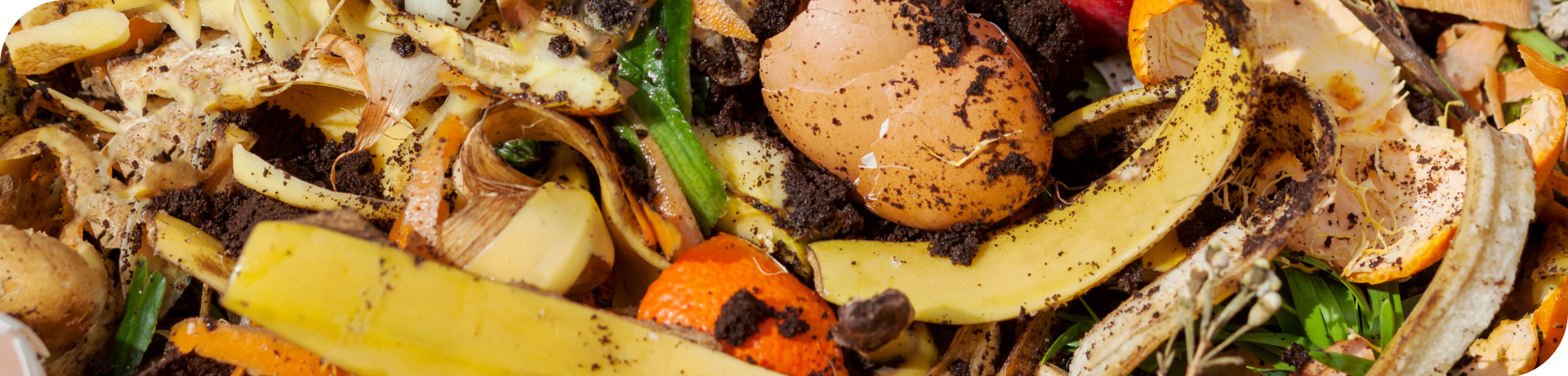
Municipal Solid Waste / Organic Waste
Food waste refers to food residues, food processing scraps, expired food, and waste edible oils generated by food waste producing units during food production and business activities.
SOLUTION
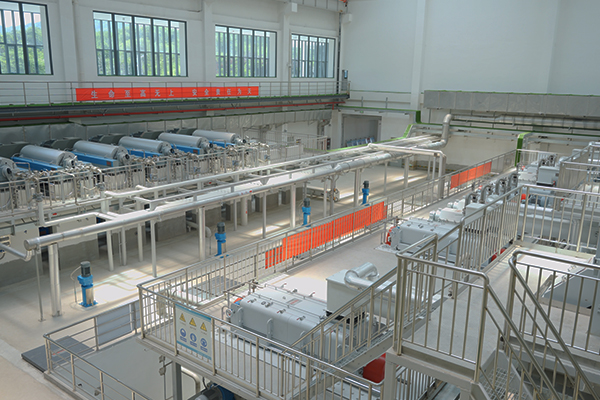
The equipment supports fully automatic operation with fault alarm functions, designed to reduce reliance on manual monitoring and improve management efficiency. The full-chain services provided, including solution design, installation and commissioning, and operation and maintenance training, constitute a complete commercial solution.
INPUT & OUTPUT
Kitchen waste, food waste (leftover rice, vegetable leaves, meat bones, fish bones, waste edible oils)
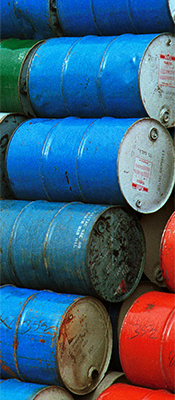
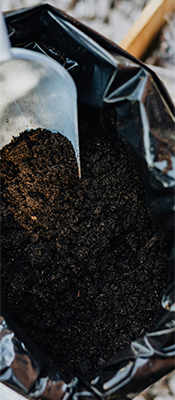
Oils, energy (such as biogas), solid organic fertilizer and soil conditioner, animal/aquaculture feed


CORE TECHNOLOGY
In an oxygen-free environment, microorganisms decompose organic matter into biogas (primarily methane) and digestate. This is the current mainstream technology with high energy recovery rates. Biogas can be used for power generation or purified into natural gas, and digestate can be made into organic fertilizer.
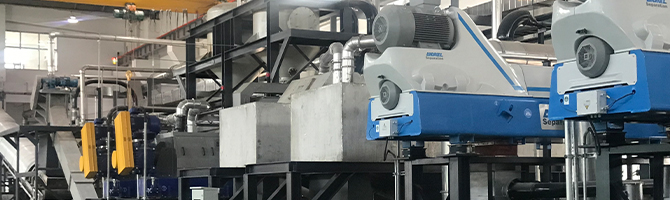
Under aerobic conditions, microorganisms ferment and generate heat, converting waste into organic fertilizer or soil conditioner.
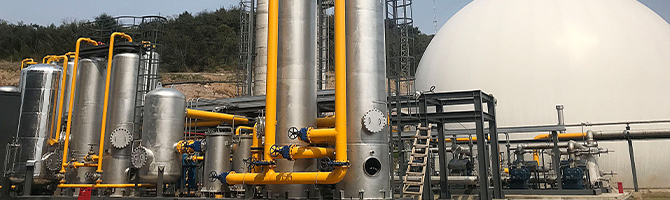
ADVANTAGES
Moving beyond traditional single-method treatment (such as composting only or incineration only), adopting integrated processes (such as "dual-enhanced multi-source synergistic" technology) to separately extract and utilize all components of waste including oils, organic matter, and solid residues.
Using near-infrared spectrum identification, AI vision, and robotic arms to automatically sort out impurities such as plastics and metals, solving the challenge of complex composition and high impurity content in kitchen waste.
Generating electricity through anaerobic fermentation-produced biogas, or using waste heat recovery systems for self-heating, forming a "negative energy consumption" or "energy self-sustaining" model.
PROJECT CASES
The Chongqing Luoqi waste treatment project was put into operation in 2021, with a designed processing capacity of 500 t/d, primarily handling household kitchen waste from Chongqing's main urban area. The collected household kitchen waste in Chongqing has high impurity content. Using a pre-sorting technology of "crushing + two-stage screening + negative pressure air classification + optoelectronic sorting + extrusion + wet anaerobic digestion + dry anaerobic digestion + resource recovery (plastics) + incineration," impurities can be effectively removed, with the resource recovery section using optoelectronic sorting technology to recover plastics from kitchen waste. After impurity removal, the organic matter enters the dry anaerobic digestion system. Under anaerobic conditions, organic matter is converted into carbon dioxide and methane gas through natural or inoculated microorganisms; the collected methane gas can be purified and supplied to the plant boiler for heat production.
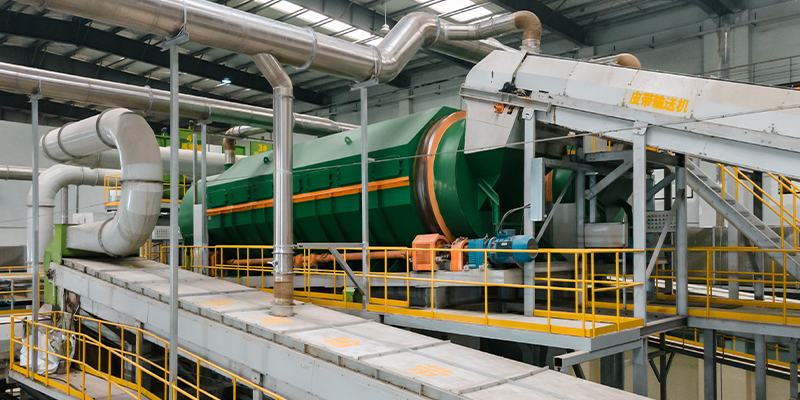
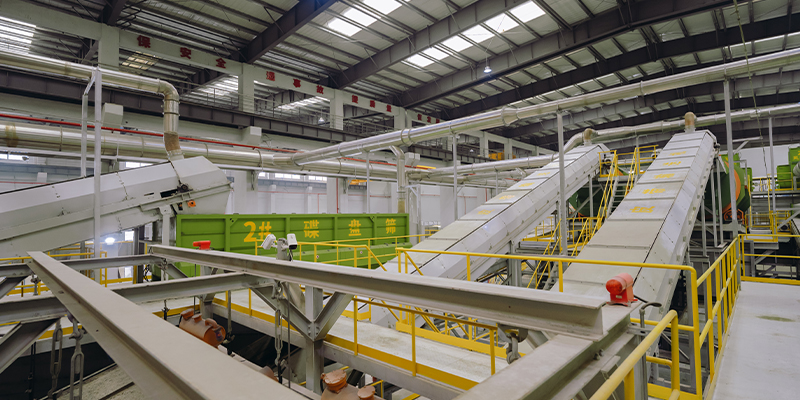
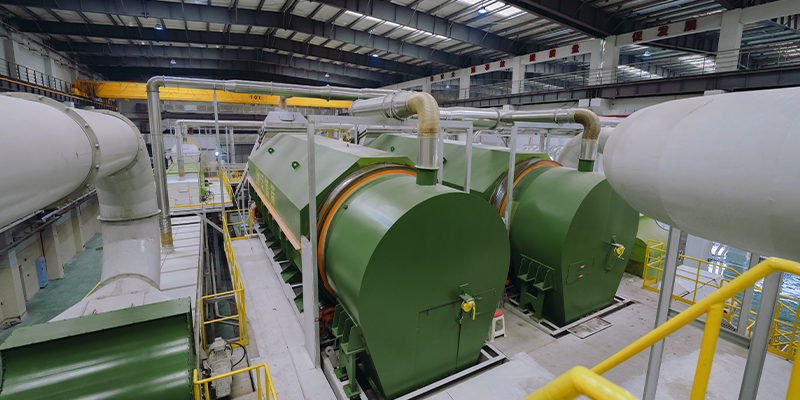
The Chongqing Xiajiaba treatment project was put into operation in 2020, with a designed processing capacity of 400 t/d, serving waste treatment and transfer operations for Chongqing's central area. The collected household kitchen waste in Chongqing has high impurity content. Using a pre-sorting technology of "crushing + two-stage screening + negative pressure air classification + optoelectronic sorting + offsite disposal + resource recovery (plastics)," impurities can be effectively removed, with the resource recovery section using optoelectronic sorting technology to recover plastics from kitchen waste. After impurity removal, the organic matter and screened combustibles are transported by transfer vehicles to downstream dry anaerobic digesters and incineration plants.
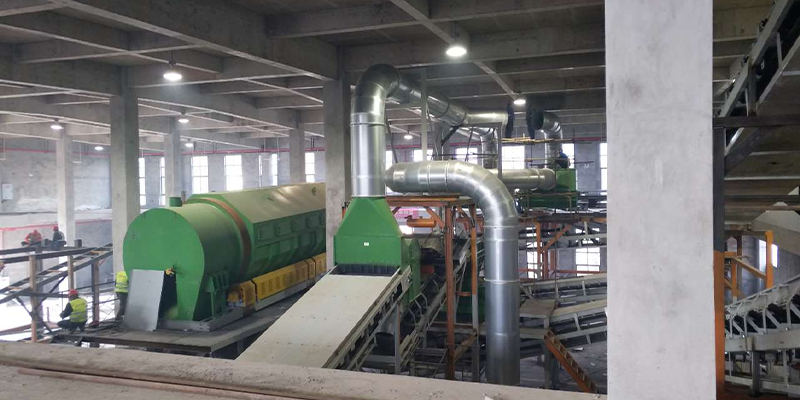
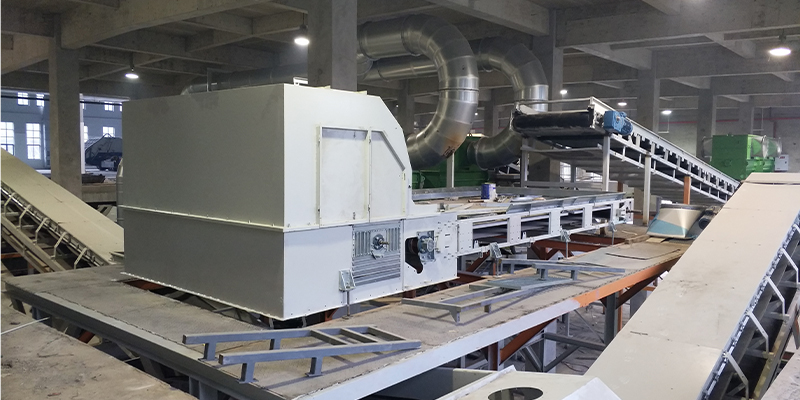
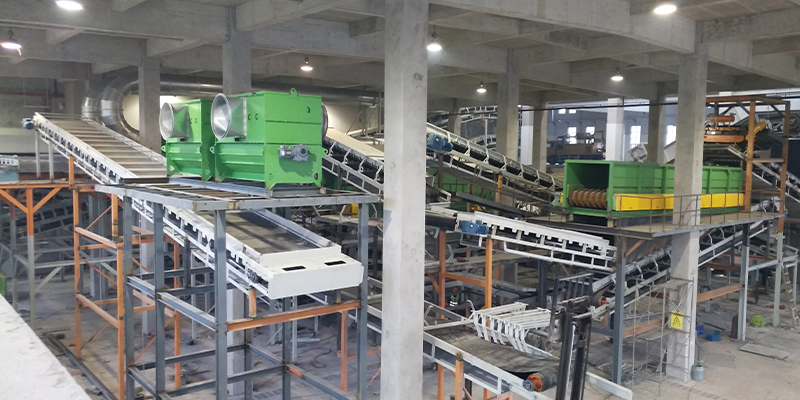
The Hefei Xiaomiao kitchen waste treatment project began construction in 2020 and has now entered trial operation. The project has a designed processing capacity of 400 t/d, with plant construction including food waste pretreatment, kitchen waste pretreatment, dry anaerobic digestion, wet anaerobic digestion, wastewater treatment, biogas purification, and biogas power generation systems. The kitchen waste pretreatment process uses "bag breaking + two-stage screening + magnetic separation + extrusion" to remove impurities, after which the organic matter enters the dry anaerobic digestion system, and the liquid phase enters the wet anaerobic digestion system after sand and impurity removal. The biogas produced by the anaerobic system enters the boiler system for heat production or biogas power generation for grid connection. The digestate produced by the anaerobic system, after dewatering, is combined with impurities screened from the sorting workshop and transported offsite for incineration treatment.
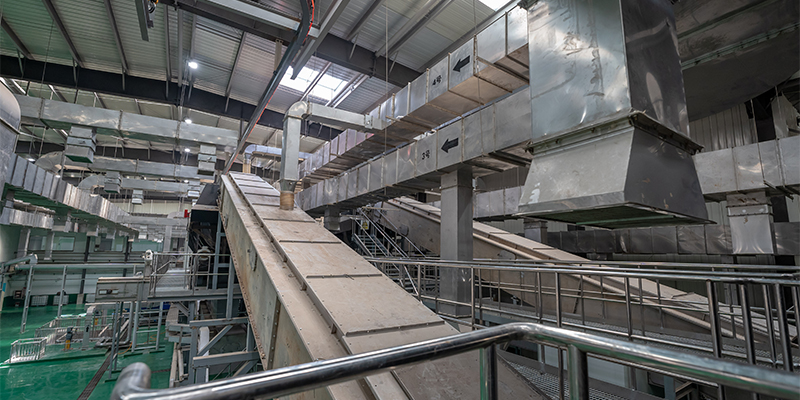
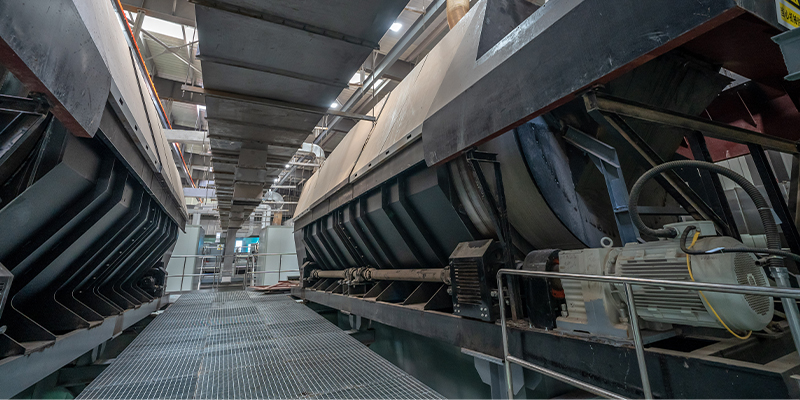
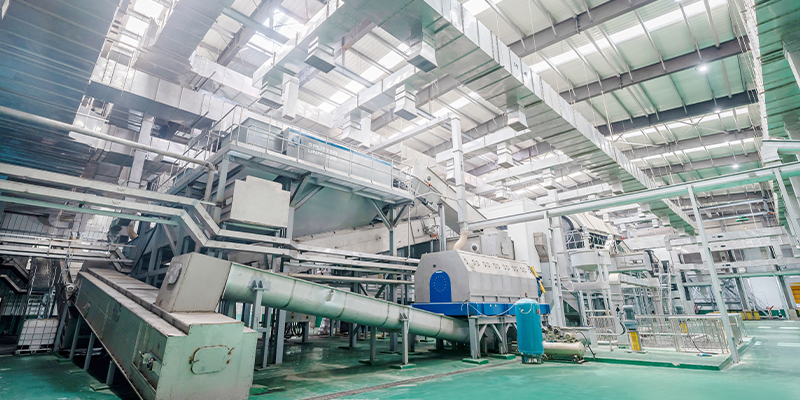
Municipal Solid Waste
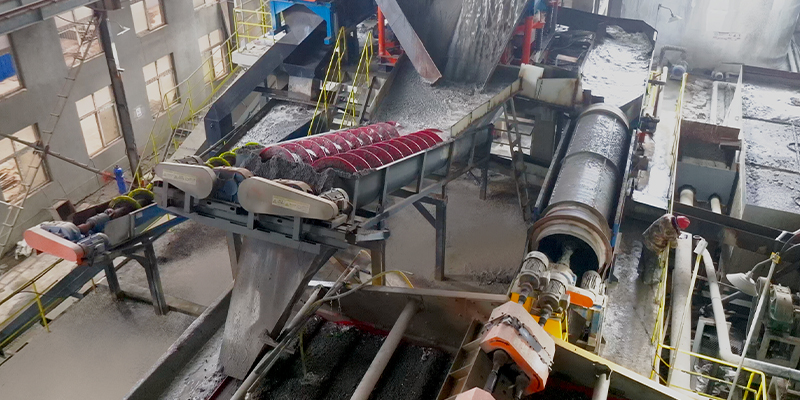 Municipal Solid Waste
 Covering multiple benchmark projects in the resource recovery industry, showcasing JONO's project practices and delivery results in municipal solid waste resource recovery scenarios.
 Municipal Solid Waste
 Waste textile recycling is an important initiative to promote green development. From an environmental perspective, it effectively reduces pollution from waste landfilling and incineration, lowers resource consumption and carbon emissions, and supports ecological protection. From an economic perspective, it enables circular utilization of waste resources, reduces raw material costs, and fosters new industry chains and employment opportunities. The industry still faces many challenges, especially in "pre-treatment and...
 Municipal Solid Waste
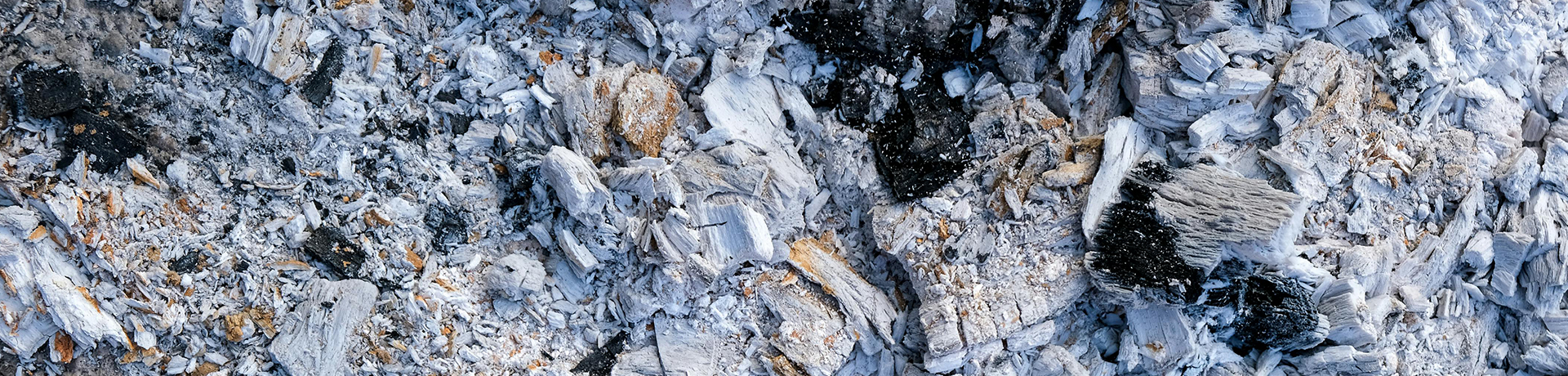
 Bottom ash is a byproduct of municipal solid waste incineration, accounting for approximately 20%-30% of total waste volume, primarily composed of glass, slag, ceramic and brick fragments, stones, iron, and other metals; without proper treatment, it will inevitably cause secondary environmental pollution.