






JONO's solution helps customers maximize the collection of recyclables within their business scope, ensuring stable material supply; achieves efficient utilization and maximized resource recovery benefits for various resource materials, ensuring output material purity; drives sorting systems toward reduced manpower, intelligence, and high automation, reducing labor dependency and ensuring stable production line operation; significantly improves system capacity, achieving efficient and stable production.
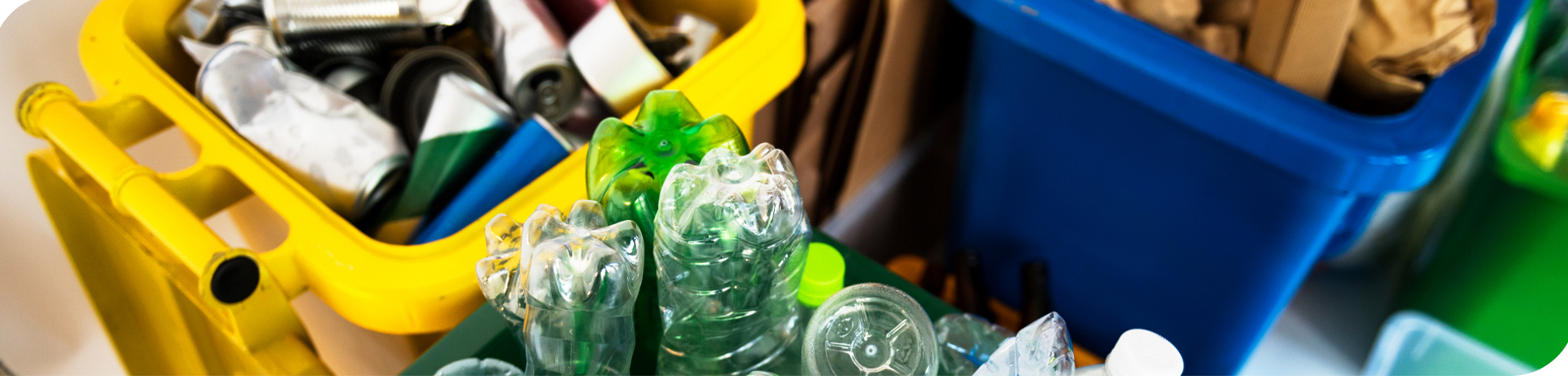
Municipal Solid Waste / Mixed Recyclables
Mixed Recyclables
The recyclables industry faces issues of insufficient standardization, difficult regulation, lagging informatization, and inefficient data statistics. Traditional vendor-based recycling models result in a fragmented and disorganized industry, poor working environments, obstructed material flow, and safety hazards from corridor storage. Due to complex materials, reliance on manual sorting limits capacity and efficiency, leading to serious resource waste.
SOLUTION
What Can Our Solution Do?
Mixed recyclables
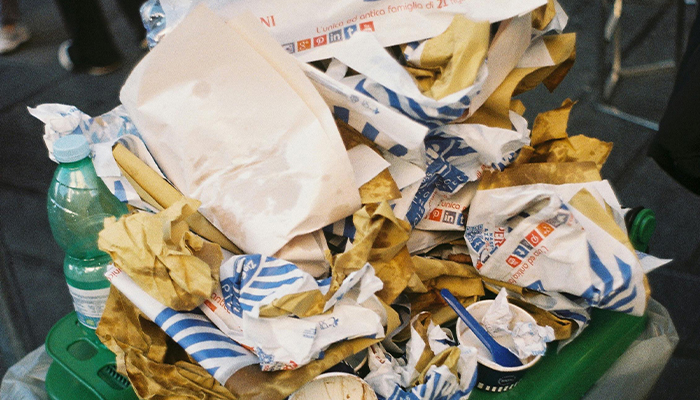
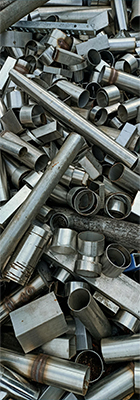
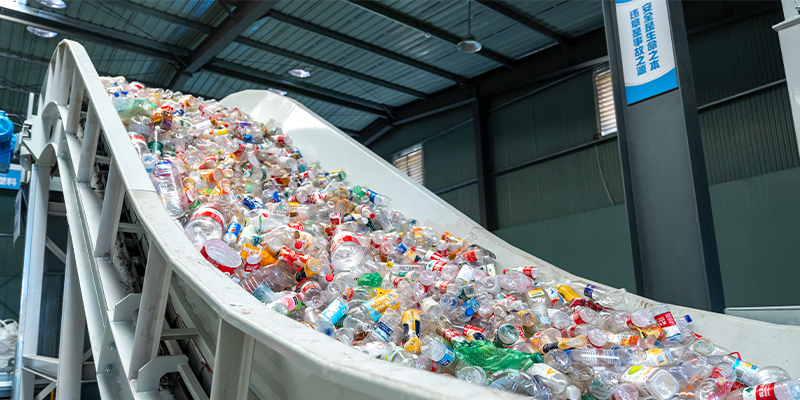
(Image input-1)Cardboard, book/newspaper, mixed paper, plastic bottles, food containers, PET blister, mixed plastics, glass, ferrous metals, non-ferrous metals, mixed metals, used clothing, shoes, bags, quilts, appliances, and over 30 categories of resource materials
(Images output-1, output-2, output-3, output-4, output-5)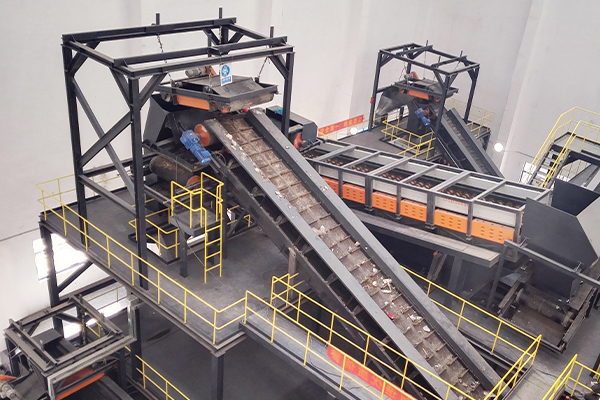
INPUT & OUTPUT
Input and Output



| Type | Content |
|---|---|
| Input | Mixed recyclables |
| Output | Cardboard, book/newspaper, mixed paper, plastic bottles, food containers, PET blister, mixed plastics, glass, ferrous metals, non-ferrous metals, mixed metals, used clothing, shoes, bags, quilts, appliances, and over 30 categories of resource materials |
CORE TECHNOLOGY
Core Technology
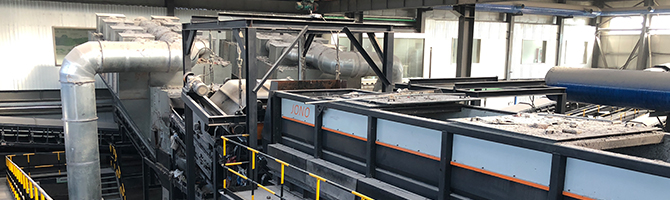
Mechanical Screening Technology
- Through combined application of multiple types of screening equipment, achieving precise diversion of materials with different sizes, weights, densities, and 2D/3D characteristics.
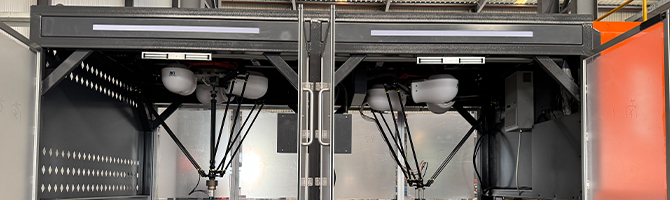
AI Sorting Technology
- Through continuous material identification and model training, achieving intelligent recognition and sorting of multi-category materials, completing high-precision, large-scale material sorting operations through equipment clusters.
ADVANTAGES
Advantages
Precise Grading and Diversion
Recyclables undergo multi-stage mechanical screening, precisely diverted by size and 3D/flat morphology, enabling materials to reach the optimal identification and sorting state.
Multi-Technology Intelligent Sorting
Integrating artificial intelligence, visible light, proprietary vision, and multi-sensor fusion technology, supported by a professional large database and visualization platform, achieving precise sorting.
Reduced-Labor Intelligent Sorting
With full-process intelligent technology as the core, achieving reduced-labor and intelligent operations for renewable resource sorting.
Humanized O&M Design
Systematically planned equipment inspection and maintenance routes throughout the entire process, using humanized design for convenient daily operations and maintenance management.
Efficient, Stable, Scaled Operations
Deeply adapted to various material compositions and forms, ensuring stable production, precise and efficient sorting, with substantial capacity and stable economic returns.
TECHNOLOGY IMAGES
Mechanical Screening and AI Sorting Technology
Mechanical Screening Technology
Through combined application of multiple types of screening equipment, achieving precise diversion of materials with different sizes, weights, densities, and 2D/3D characteristics.
AI Sorting Technology
Through continuous material identification and model training, achieving intelligent recognition and sorting of multi-category materials, completing high-precision, large-scale material sorting operations through equipment clusters.
PROJECT CASES
Project Cases
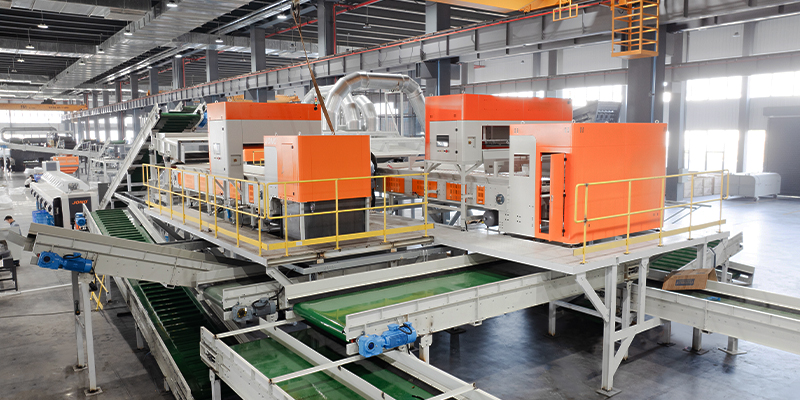
JONO Recyclable Sorting Center Project
- Location
- Jiangsu
- Waste Type
- Mixed recyclables
- Daily Processing Capacity
- 100 tons
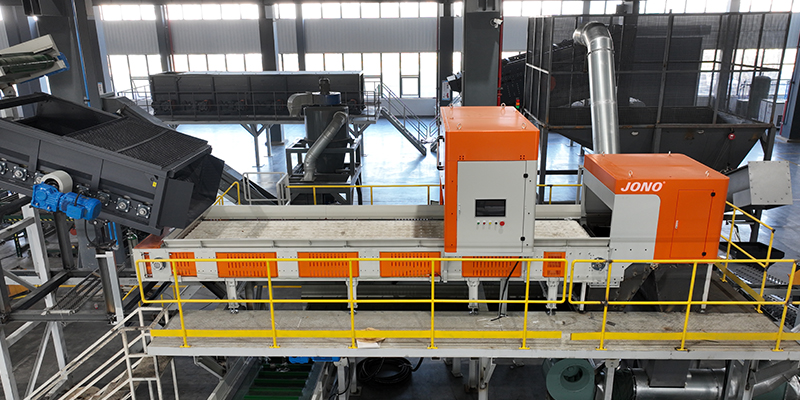
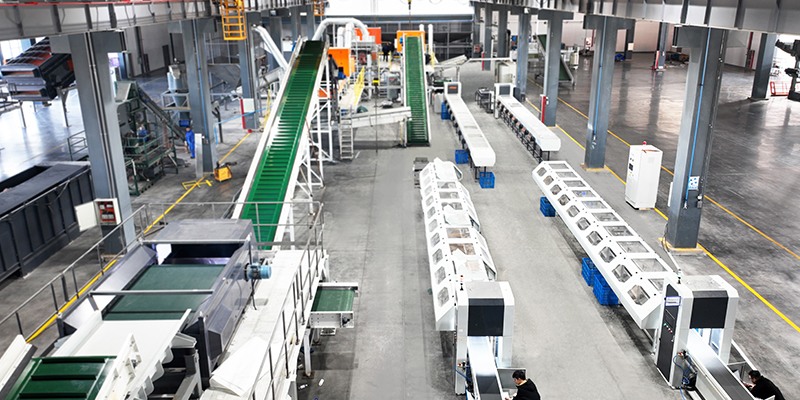
Project introduction: Undertaking professional disposal of mixed recyclables within Suzhou city, using a standardized processing model of "manual pre-sorting + mechanical screening + AI intelligent sorting + mechanical baling," through efficient multi-stage collaboration, mixed recyclables can be precisely sorted into over 30 categories.
Ningbo Recyclable Waste Disposal Project
- Location
- Zhejiang
- Waste Type
- Paper, metals, high/low-value plastics and other recyclables
- Daily Processing Capacity
- 24 tons
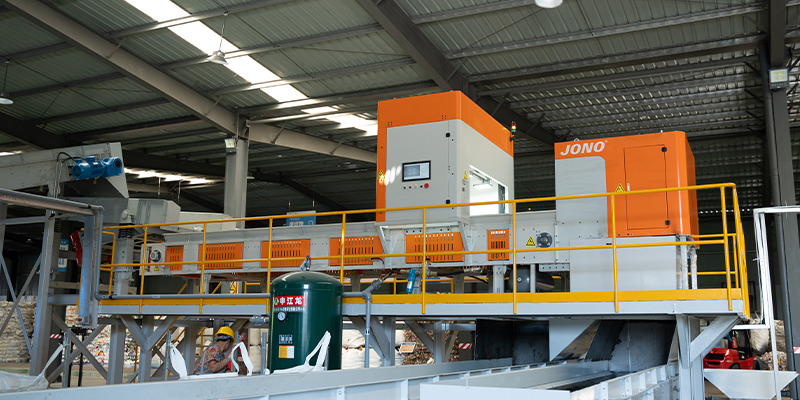
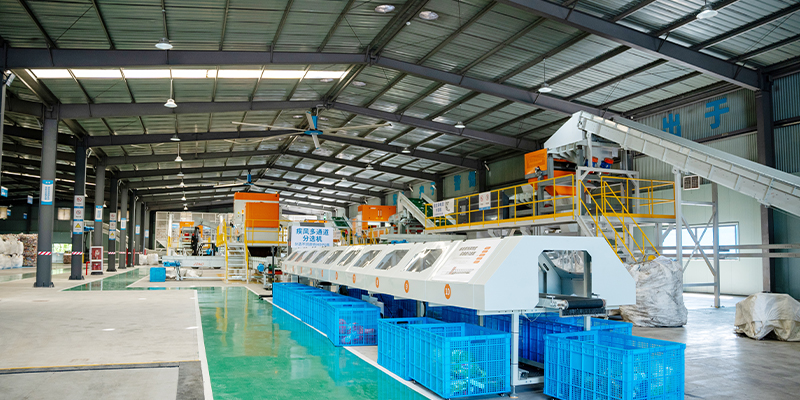
Project introduction: Serving 600,000 permanent residents in Ningbo, with 492 recycling service points, relying on 12 domestically developed core intelligent sorting equipment units to create a leading combined sorting line and mixed plastic sorting line, through multi-process integration, plastics are subdivided into 13 categories, achieving efficient resource circular utilization; receiving key support from both municipal and district governments, with comprehensive full-process supervision and sustainable operation guarantees.
Municipal Solid Waste
Related Content
 Municipal Solid Waste
 Customer Cases
Covering multiple benchmark projects in the resource recovery industry, showcasing JONO's project practices and delivery results in municipal solid waste resource recovery scenarios.
 Municipal Solid Waste
 Waste Textile Solution
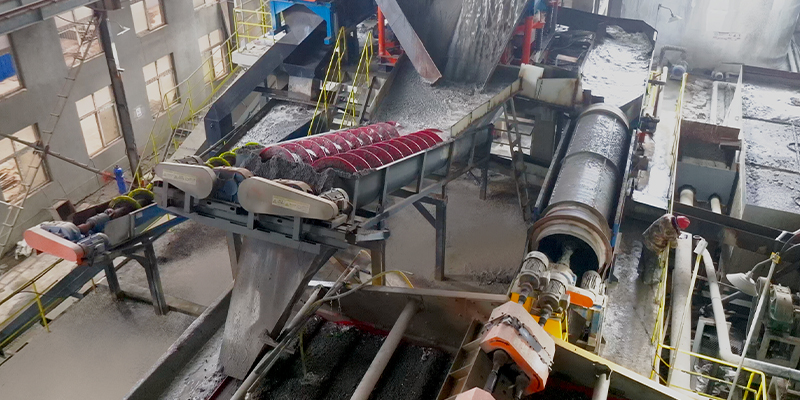
Waste textile recycling is an important initiative to promote green development. From an environmental perspective, it effectively reduces pollution from waste landfilling and incineration, lowers resource consumption and carbon emissions, and supports ecological protection. From an economic perspective, it enables circular utilization of waste resources, reduces raw material costs, and fosters new industry chains and employment opportunities. The industry still faces many challenges, especially in "pre-treatment and...
 Municipal Solid Waste
 Incineration Bottom Ash Solution
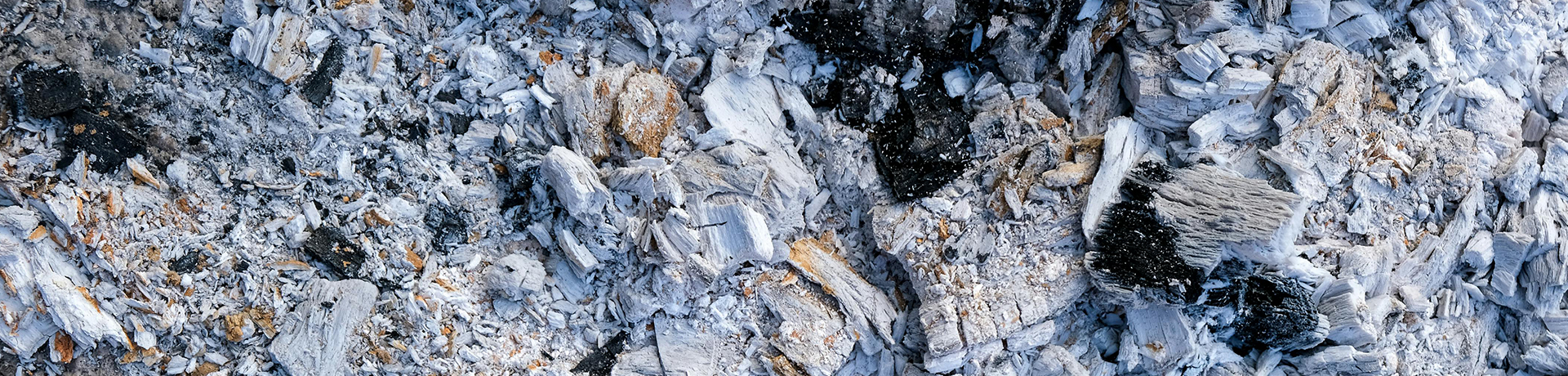
Bottom ash is a byproduct of municipal solid waste incineration, accounting for approximately 20%-30% of total waste volume, primarily composed of glass, slag, ceramic and brick fragments, stones, iron, and other metals; without proper treatment, it will inevitably cause secondary environmental pollution.