
High Transport Costs, Difficult Passage
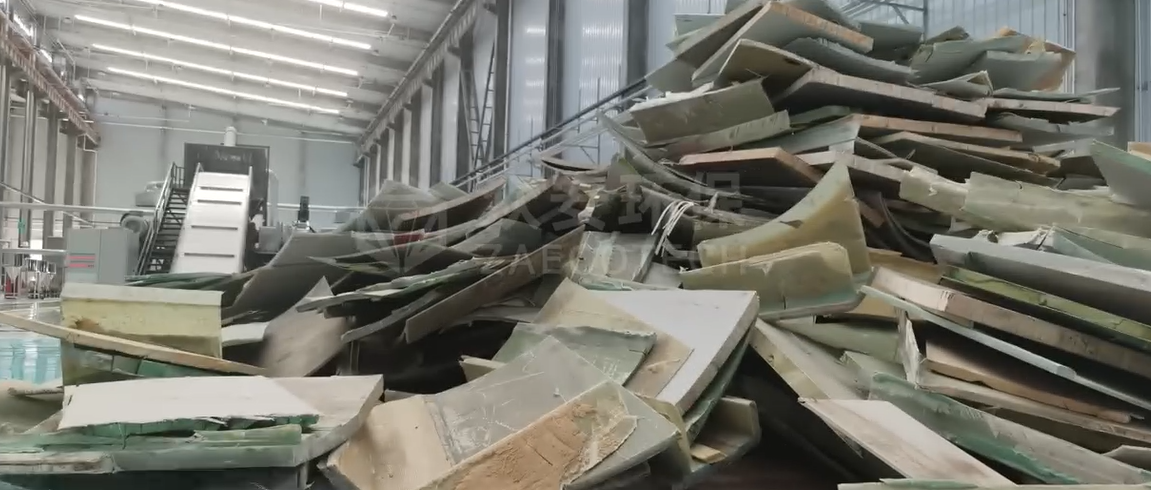
Single blades are 50-120 meters long, weighing 15-30 tons, with obvious irregular shapes, requiring on-site volume reduction before entering subsequent processing.
Industry Center
Four Core Sectors Mining & Infrastructure, Food Processing, Municipal Solid Waste, Resource RecyclingOre Sorting & Mobile Crushing
XRT, HSI, LIBS, and mobile stations work together for mine waste rejection, grade improvement, and waste rock utilization.Protein, Fruit & Vegetable Processing
3D vision, hyperspectral imaging, X-ray, and intelligent cutting improve sorting, portioning, and processing efficiency.City-wide Integrated Solution
Solutions for household waste, construction and demolition waste, organic waste, plastic recycling, and incineration bottom ash recovery.Wind Turbine, Lithium Battery, PV Panel & Metal Recycling
Full-lifecycle resource recovery for new energy recycling, e-waste, and recycled metals.Product Center
Six Product Lines The intelligent foundation for sensing, embodiment, and decision-making
Multimodal Perception & Precision Execution Agent
An integrated hardware-software platform combining atomic-level perception with micrometer-level execution.
Intelligent Backbone for Material Flow
Integrated intelligent pipelines and dynamic conveying systems that make every material movement transparent and traceable.
The Touch and Brain of Material Flow
A full-scenario digital gateway, business intelligence center, and swarm-intelligence scheduling platform.
Embodied Execution Agent
An intelligent platform for crushing, flexible mobile sorting, and robotic execution.
Foundation of Mechanical Sorting
Software-defined standardized mechanical sorting units for high-throughput physical separation.
Neural System for Intelligent Industrial Control
A next-generation platform for industrial intelligent control and edge computing.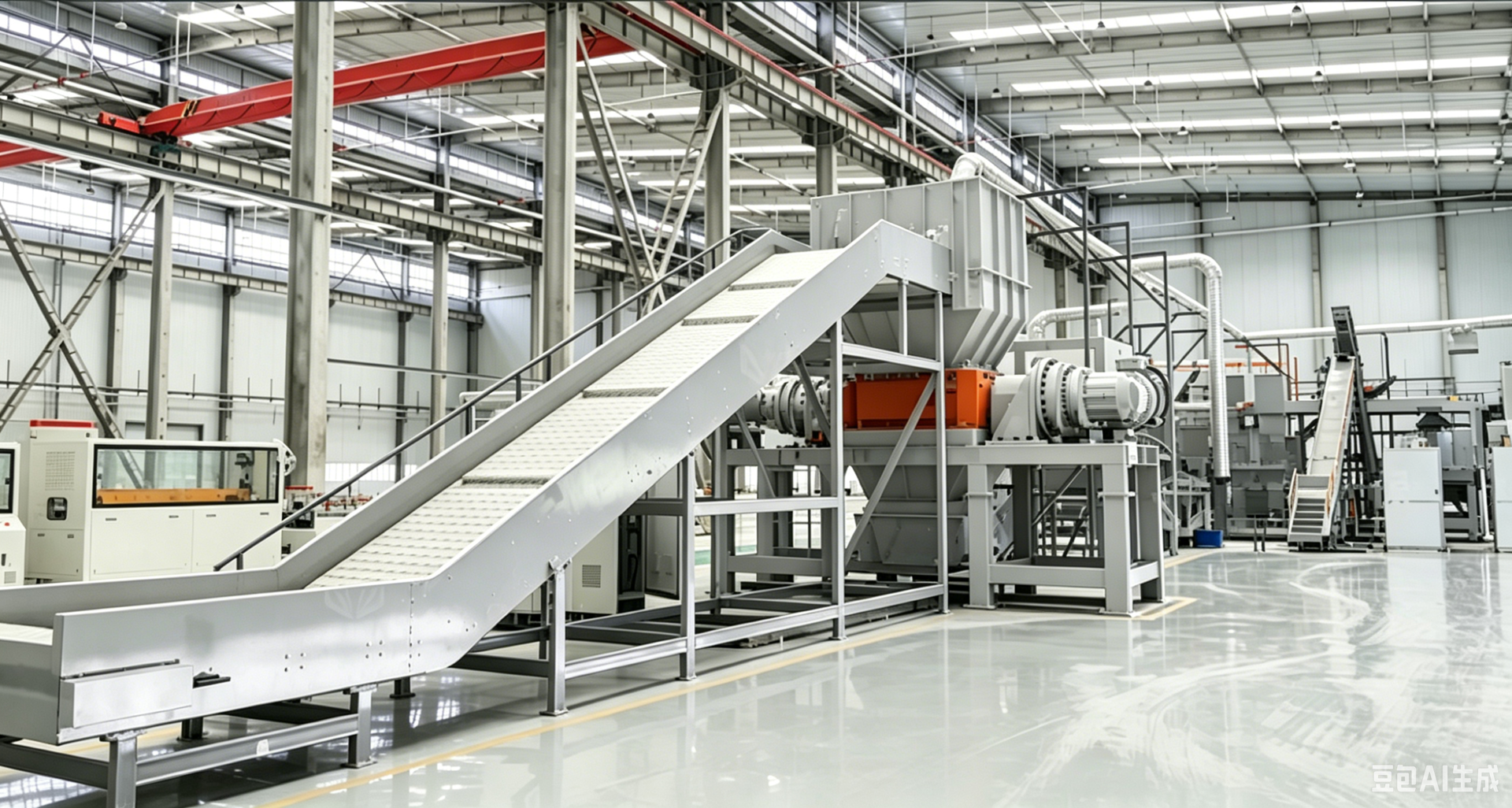
Decommissioned Wind Blade Resource Recovery System
Through enclosed feeding, multi-stage crushing, magnetic separation and impurity removal, refined sorting, grinding, and negative pressure dust collection, decommissioned blades are converted into recycled fibers, granular materials, and FRP powder.
INDUSTRY CHALLENGES
Single blades are 50-120 meters long, weighing 15-30 tons, with obvious irregular shapes, requiring on-site volume reduction before entering subsequent processing.
Thermosetting resins, glass fiber/carbon fiber, balsa wood, and metal parts are mixed, requiring stable identification and efficient separation.
Crushing and grinding processes easily generate dust and noise, requiring enclosed conveying, negative pressure dust collection, and safety protection.
Decommissioned blade disposal needs to shift from landfill and stockpiling to resource utilization, forming a traceable and standards-compliant treatment system.
PROCESS
After decommissioned wind blades are cut into large pieces, they are fed by metal chain plate conveyors for enclosed, uniform feeding, with fire protection systems ensuring full-process safety.
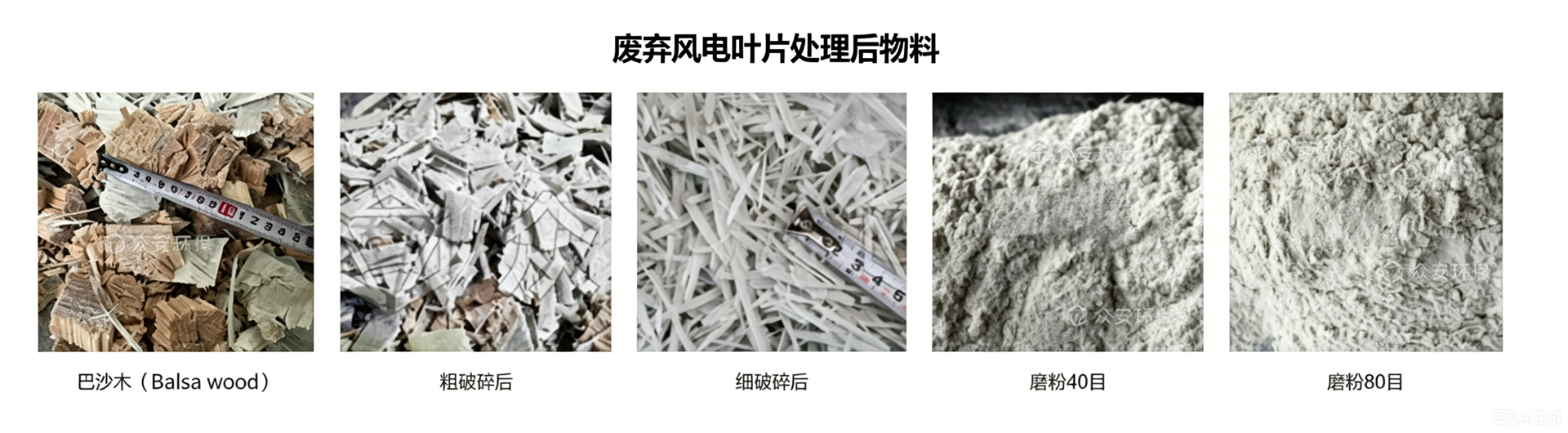
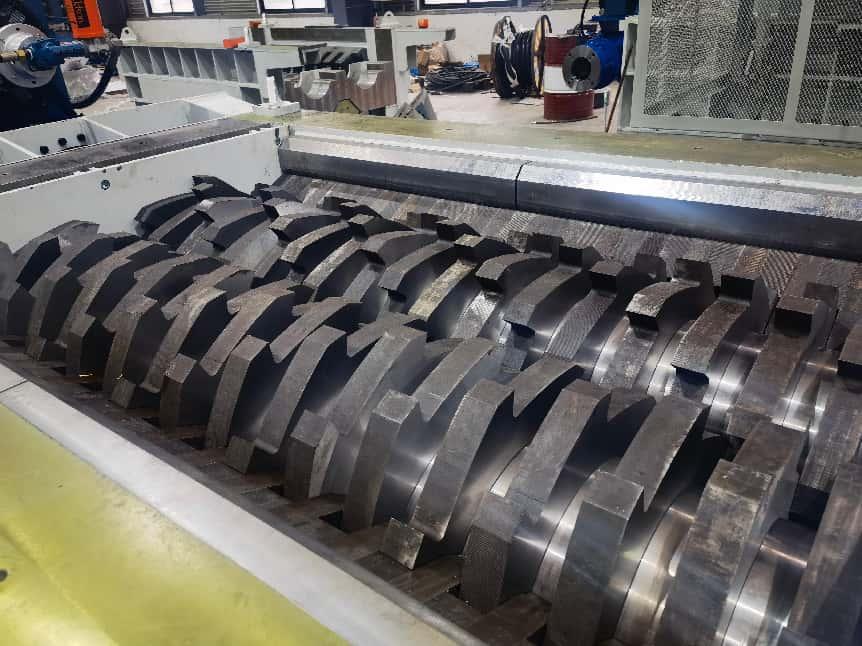
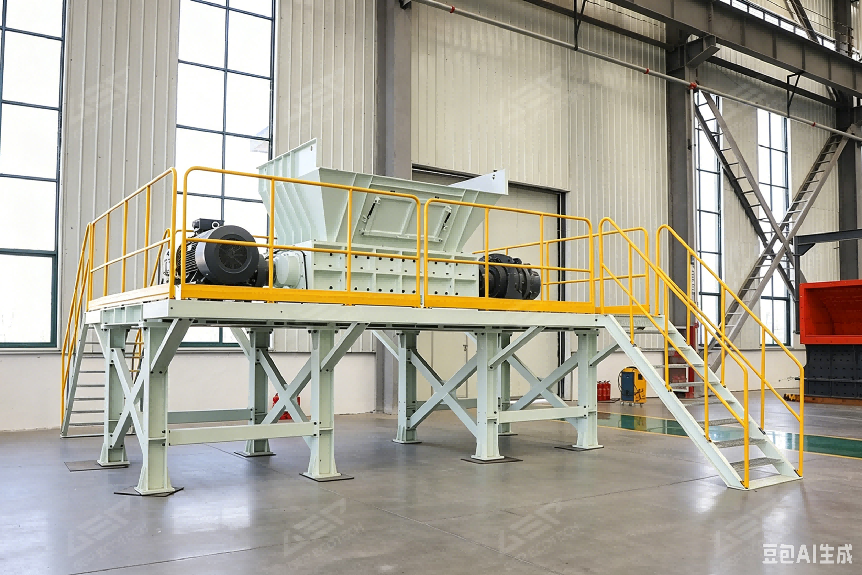
Large pieces enter the coarse crusher (dual-shaft shredder) and are shredded into approximately 150mm strip or block materials, providing stable feed for subsequent processing.
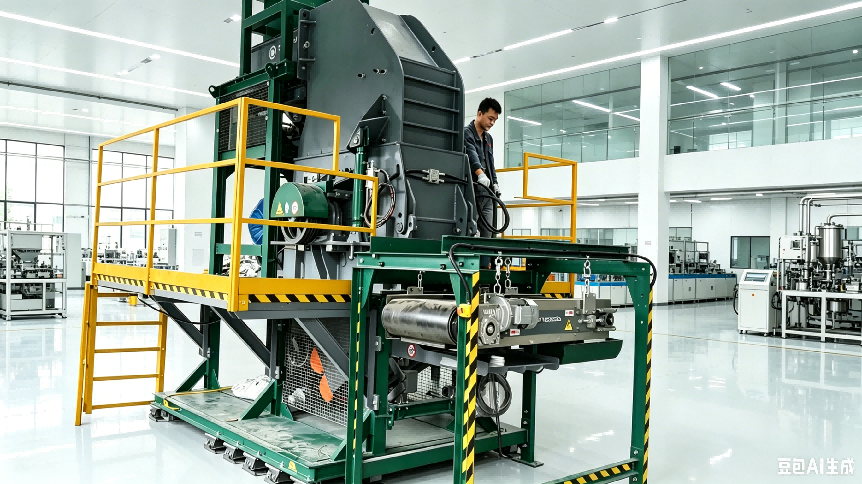
After crushing, materials pass through magnetic separators to remove metal impurities, preventing damage to downstream equipment and ensuring continuous and stable production line operation.
De-impurified materials enter the fine crusher (single-shaft fine crusher) and are further crushed to 5-15mm particles or fiber-like materials.
After fine crushing, materials are conveyed by belt conveyors into the sorting unit, achieving efficient separation of glass fiber, resin matrix, and balsa wood.
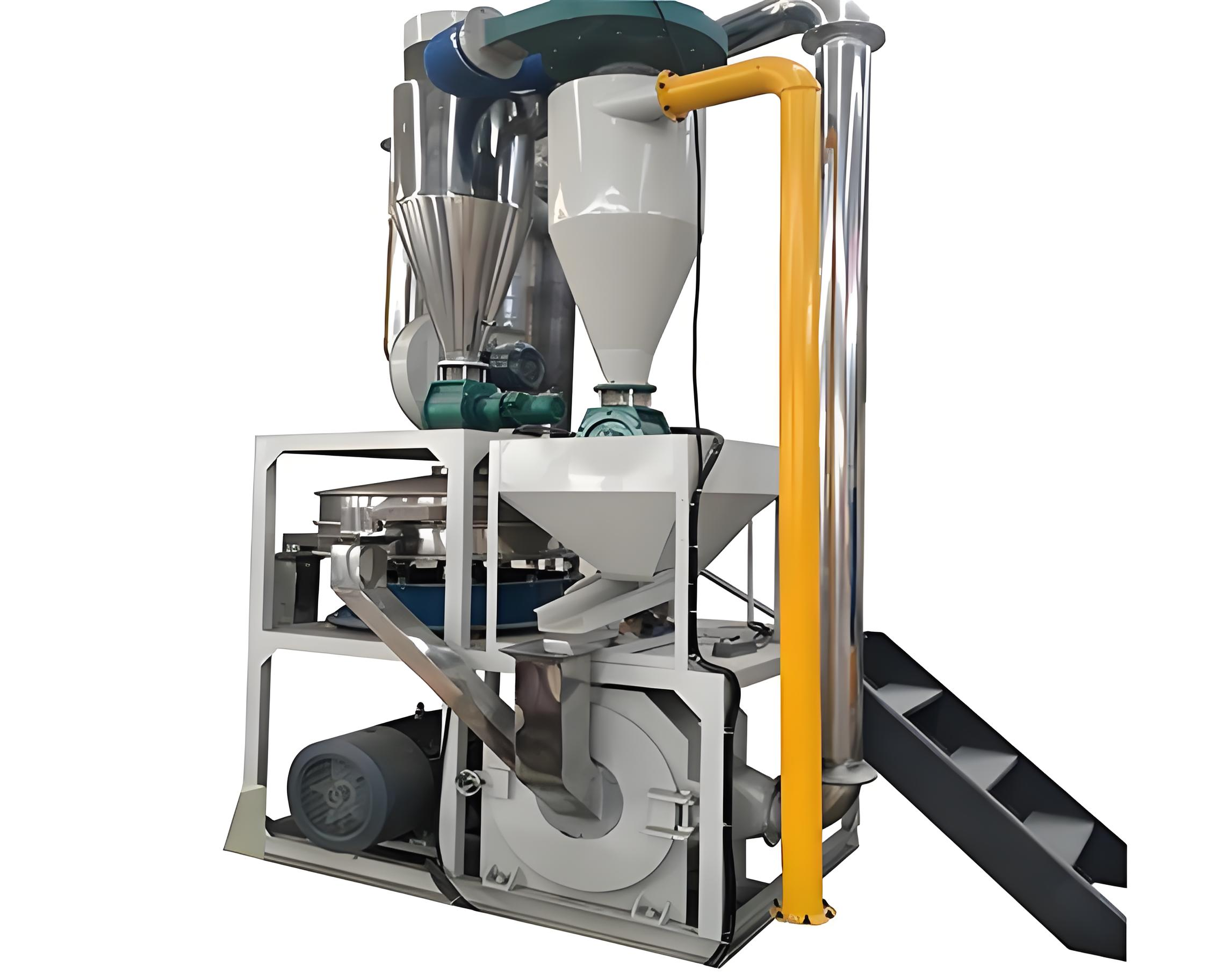
Sorted materials enter the grinding system, processed through multi-stage grinding into 40-80 mesh FRP powder, meeting downstream recycling requirements.
Ground powder is conveyed by screw conveyors into storage tanks for temporary storage, achieving enclosed, dust-free collection of finished products.
Full-process negative pressure dust collection system synchronously collects dust, ensuring workshop environmental compliance.
SYSTEM VALUE
Achieving efficient separation of the three major components — resin, glass fiber, and balsa wood — avoiding environmental pollution from landfill or incineration.
Full-process automated conveying and processing, with intelligent fire protection, environmental noise reduction, and intelligent O&M systems, reducing safety and environmental risks.
Capable of processing into fiber-like materials, 40 mesh and 80 mesh powders, suitable for downstream applications such as recycled building materials and composite material fillers.
Specifically designed for blade characteristics of high toughness and metal component content, low-speed high-torque crushing tools resist jamming, with stable metal impurity removal.
CORE EQUIPMENT
Stable, enclosed conveying of large blade materials, ensuring uniform feeding.
Shreds large blade pieces into strip or block materials, achieving preliminary volume reduction.
Separates metal impurities from materials, protecting downstream crushing and grinding equipment.
Further crushes coarse material to 5-15mm particles, achieving preliminary material separation.
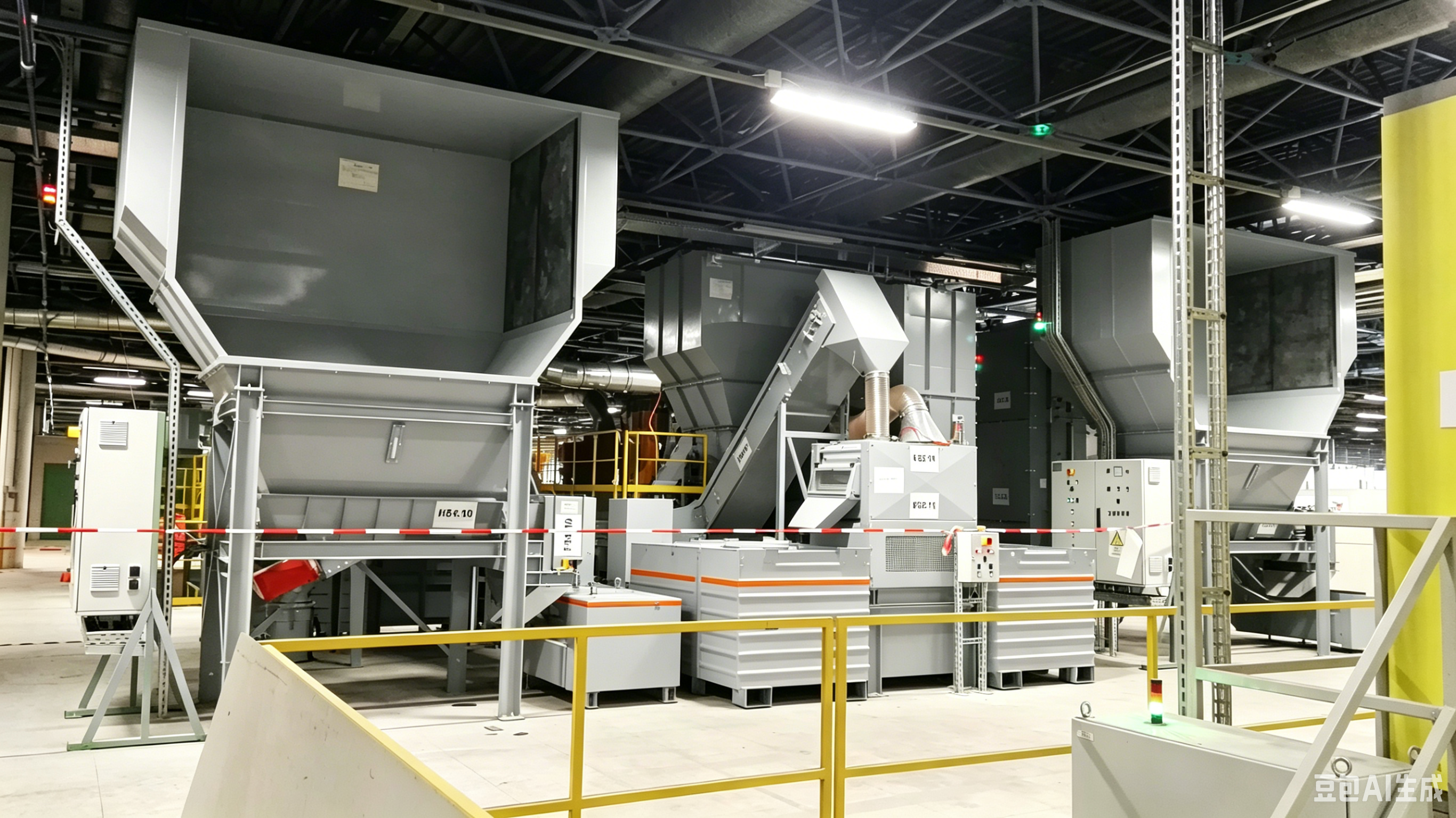
Connects crushing, sorting, and grinding units, achieving enclosed conveying between process steps.
Grinds separated materials into 40-80 mesh FRP powder.
Negative pressure collection of full-process dust, ensuring workshop environmental compliance.
Completing enclosed finished product conveying, temporary storage, and full-process fire prevention and control.
KEY PARAMETERS
| Indicator | Parameter Details |
|---|---|
| Processing Target | Decommissioned wind blades (including FRP, balsa wood, resin matrix, metal components) |
| Processing Capacity | Adaptable to ton-level and above continuous production lines, capacity customizable per requirements |
| Coarse Crushing Output Particle Size | Approximately 150mm, strip or block form, adjustable |
| Fine Crushing Output Particle Size | 5-15mm, particle or fiber form, adjustable |
| Grinding Finished Product Fineness | 40 mesh, 80 mesh, expandable to higher fineness |
| Material Separation Efficiency | Glass fiber, resin, balsa wood separation purity ≥95% |
| Dust Control | Full-process negative pressure dust collection, dust emission concentration meeting environmental standards |
| Safety Configuration | Intelligent fire protection system, overload protection, noise reduction system, remote O&M monitoring |
CASE STUDY
The project was commissioned in November 2025, processing blades through cutting, shredding, crushing, sorting, and grinding to convert them into 80-mesh powder, achieving efficient recycling. The system is equipped with environmental measures such as negative pressure dust reduction and intelligent fire protection, solving the challenges of decommissioned blade disposal while setting a benchmark for industry resource utilization, delivering both environmental and economic benefits.
VALUE
Automated processing reduces manual intervention, with recycled materials entering downstream applications such as building materials and composite material fillers.
Through full-component resource utilization, reducing landfill and incineration pressure; full-process negative pressure dust collection reduces secondary pollution risks.
Promoting wind blade disposal to transition from "difficult retirement, difficult disposal" to "separable, usable, and recyclable."
Resource Recycling
 Resource Recycling
 E-waste recycling targets complex materials such as small home appliances, electronic appliances, circuit boards, wires, and mixed electrical waste, through a closed-loop process of "collection, pre-disassembly, crushing, sorting, deep resource recovery, and environmental disposal," efficiently separating and recovering ferrous metals, non-ferrous metals, plastics, circuit boards, and precious metals from waste electronic products.
 Resource Recycling
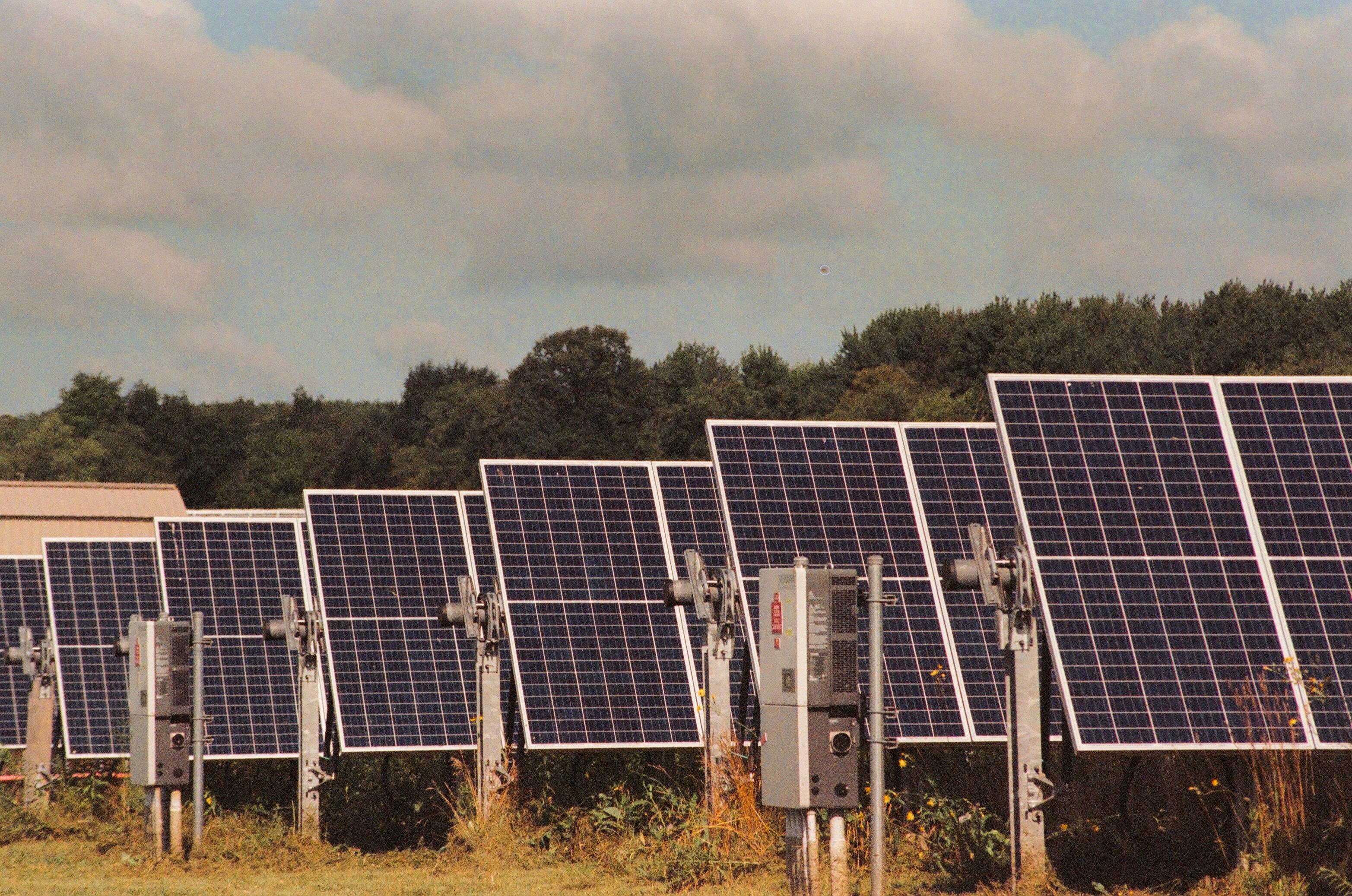
 Addressing core pain points in the photovoltaic panel recycling industry such as non-compliant environmental practices, low disassembly precision, high labor costs, serious resource waste, and limited capacity, we have created a fully automatic physical process photovoltaic panel recycling complete equipment production line, abandoning traditional polluting processes such as chemical corrosion and high-temperature incineration, using dry physical crushing, graded sorting, and refined separation technology throughout...
 Resource Recycling
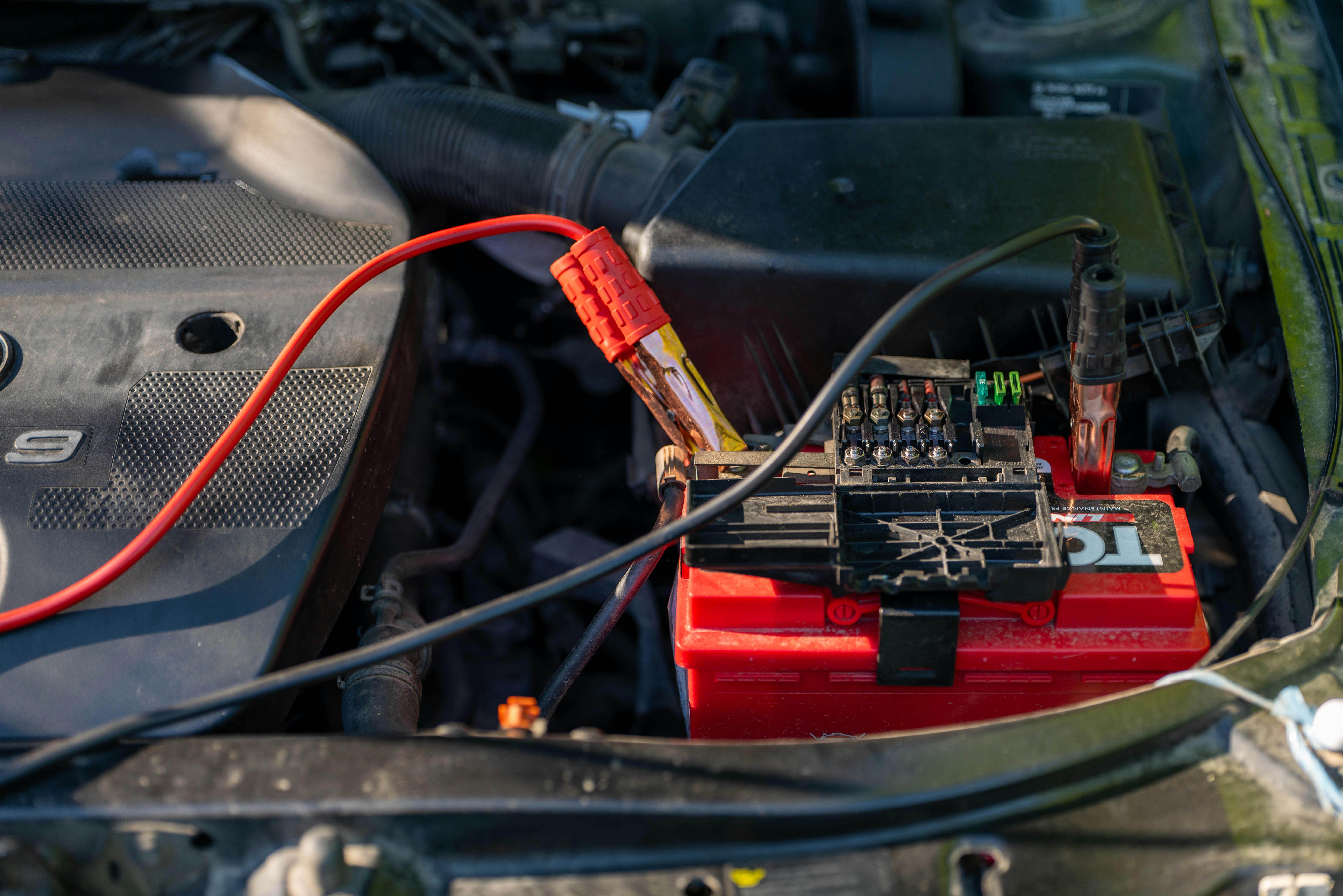
 Addressing the five major pain points of poor safety, weak environmental performance, low recovery rate, high labor costs, and difficult compliance in the industry, we have created an integrated fully automatic lithium battery recycling solution, compatible with all types of waste lithium batteries including ternary, LFP, cylindrical, and pouch cells, suitable for small and medium recycling plants and large-scale regeneration bases...