





Lithium Battery Recycling
1. Industry Pain Points The stock of retired lithium batteries in China is surging year by year, with demand for recycling power batteries, energy storage batteries, and digital waste batteries continuing to explode. However, traditional lithium battery recycling processes generally have many shortcomings. Most small recycling production lines rely on manual pretreatment, open crushing, and simple mechanical sorting, with low overall automation. First, there are significant safety hazards: manual disassembly and open crushing of batteries with residual charge can easily cause fire and thermal runaway, posing extremely high plant safety risks. Second, environmental compliance is poor: traditional equipment cannot effectively handle electrolyte exhaust gas, dust, and volatile organic compounds, easily causing exhaust gas and dust leakage, with low EIA approval rates and high rectification costs. At the same time, traditional processes have poor resource utilization: copper and aluminum are mixed, black mass loss is severe, overall metal recovery rate is low, and enterprise profit margins are limited. Additionally, traditional equipment has cumbersome processes, long pretreatment time, and high labor input, resulting in low production efficiency that struggles to meet large-scale, compliant mass production requirements, severely constraining the stable operation and expansion development of lithium battery recycling enterprises. 2. Solution Introduction Addressing the five major pain points of poor safety, weak environmental performance, low recovery rate, high labor costs, and difficult compliance in the industry, we have created an integrated fully automatic lithium battery recycling solution, compatible with all types of waste lithium batteries including ternary, LFP, cylindrical, and pouch cells, suitable for small and medium recycling plants and large-scale regeneration bases, achieving safe crushing, pollution-free treatment, high-precision sorting, and fully closed-loop efficient resource regeneration of waste batteries. The entire production line abandons traditional water immersion pre-discharge processes, adopting nitrogen-sealed protective crushing technology that can directly process charged waste batteries, eliminating lengthy discharge procedures, significantly shortening the production process, and preventing battery fire and explosion risks from the source. The equipment operates under full negative pressure sealing, preventing dust leakage and electrolyte odor diffusion, ensuring a clean and compliant production environment. The crushed mixed materials enter a low-temperature oxygen-free pyrolysis system, which constantly decomposes organic impurities such as internal electrolyte and binders at constant temperature, thoroughly stripping cathode and anode black mass, copper and aluminum metals, and separator plastics, solving the industry challenge of material adhesion and incomplete sorting. After pyrolysis treatment, the materials enter a multi-stage composite sorting system, using a multi-process combination of magnetic separation, air classification, gravity separation, and eddy current separation to layer by layer separate iron impurities, plastic separators, copper particles, aluminum particles, and battery black mass, with high sorting precision that effectively reduces high-value material loss. Simultaneously, a complete set of closed-loop exhaust gas and dust purification systems is equipped, with exhaust gas purified through multiple stages to meet emission standards, with zero secondary pollution. The entire set of equipment is equipped with an intelligent control system featuring fully automatic start/stop, automatic operation and maintenance, and real-time monitoring of equipment temperature and chamber environment, significantly reducing manual attendance and lowering operational costs, fully meeting the three core requirements of environmental acceptance, safety production, and large-scale mass production, helping enterprises easily achieve compliant production and stable profitability. 3. Core Sub-Function Descriptions
No battery pre-discharge required, can directly process waste lithium batteries with residual charge. The crushing chamber is fully protected by nitrogen inert gas throughout, paired with real-time fire and temperature monitoring devices, with millisecond-level emergency protection, thoroughly eliminating battery thermal runaway, fire, and explosion issues. Fully sealed negative pressure structure with zero dust leakage, solving production safety and workshop dust problems from the source, with production efficiency improved by over 50% compared to traditional processes.
Precise constant-temperature pyrolysis, efficiently decomposing battery electrolyte, adhesive layers, and organic binders, thoroughly separating cathode and anode materials from copper and aluminum foils and separators, solving the problems of impure sorting and black mass loss caused by material adhesion. Equipped with dedicated exhaust gas purification equipment, effectively treating VOCs and acidic exhaust gases, with all emission indicators exceeding national industry standards, helping enterprises quickly pass EIA.
Integrating multiple processes of magnetic separation, air classification, gravity separation, and eddy current separation, layer by layer screening and purification, precisely separating iron impurities, plastics, copper, aluminum, black mass, and various other materials. Effectively avoiding copper-aluminum mixing and metal entrainment losses, significantly improving finished product purity and resource recovery rate, with output materials directly available for external sale or in-plant recycling and reuse.
The entire production line features integrated intelligent control, supporting fully automatic operation, one-key start/stop, automatic fault alarms, and remote monitoring. Equipment operation data is automatically archived, requiring no multi-person attendance, significantly reducing labor costs. Equipment operates stably with low failure rate, suitable for long-term uninterrupted mass production operations.
- Nitrogen-Sealed Charged Crushing System
- Low-Temperature Oxygen-Free Pyrolysis System
- Multi-Stage Composite Sorting System
- Fully Automatic Intelligent Control System
Application Cases
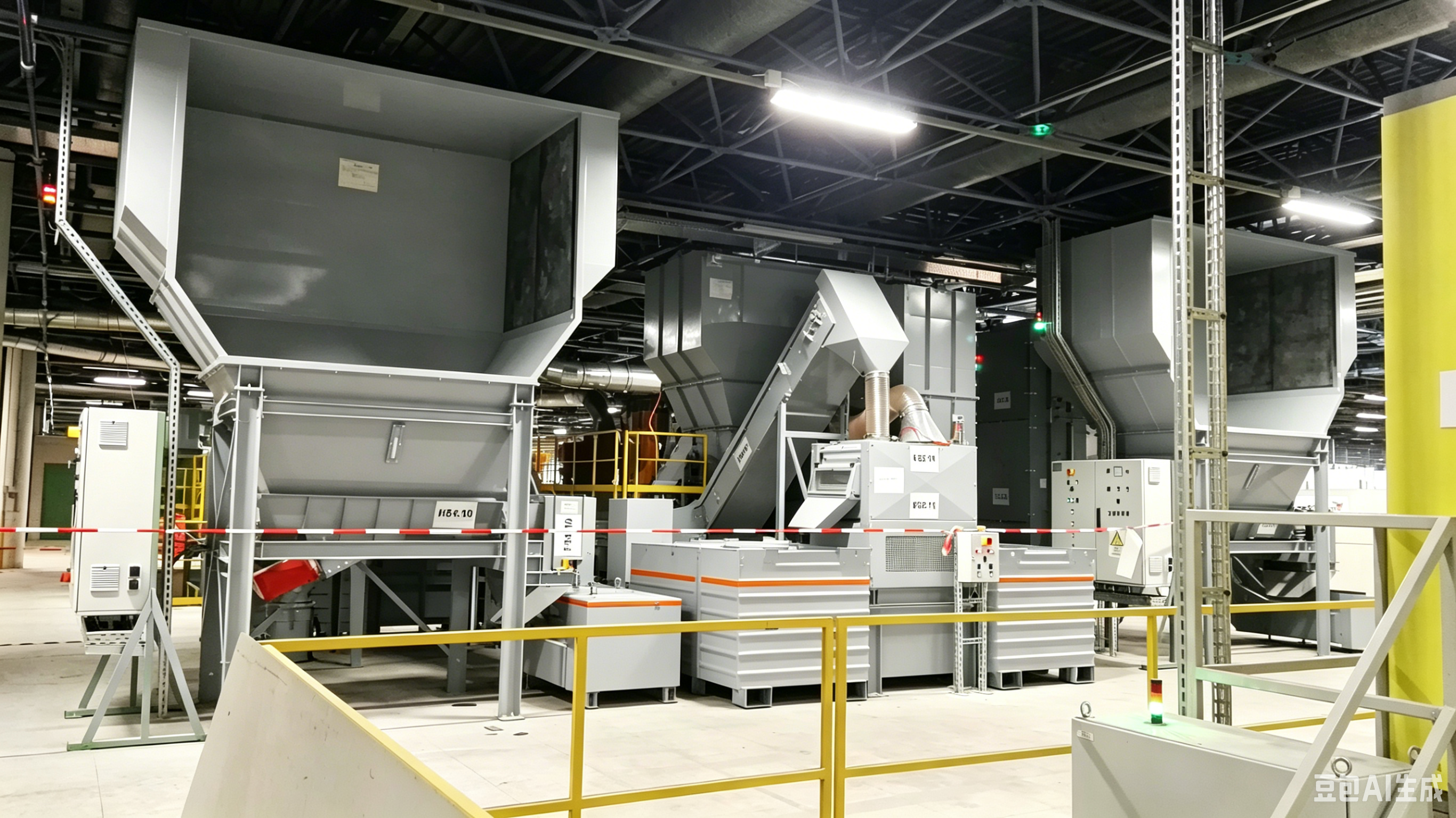
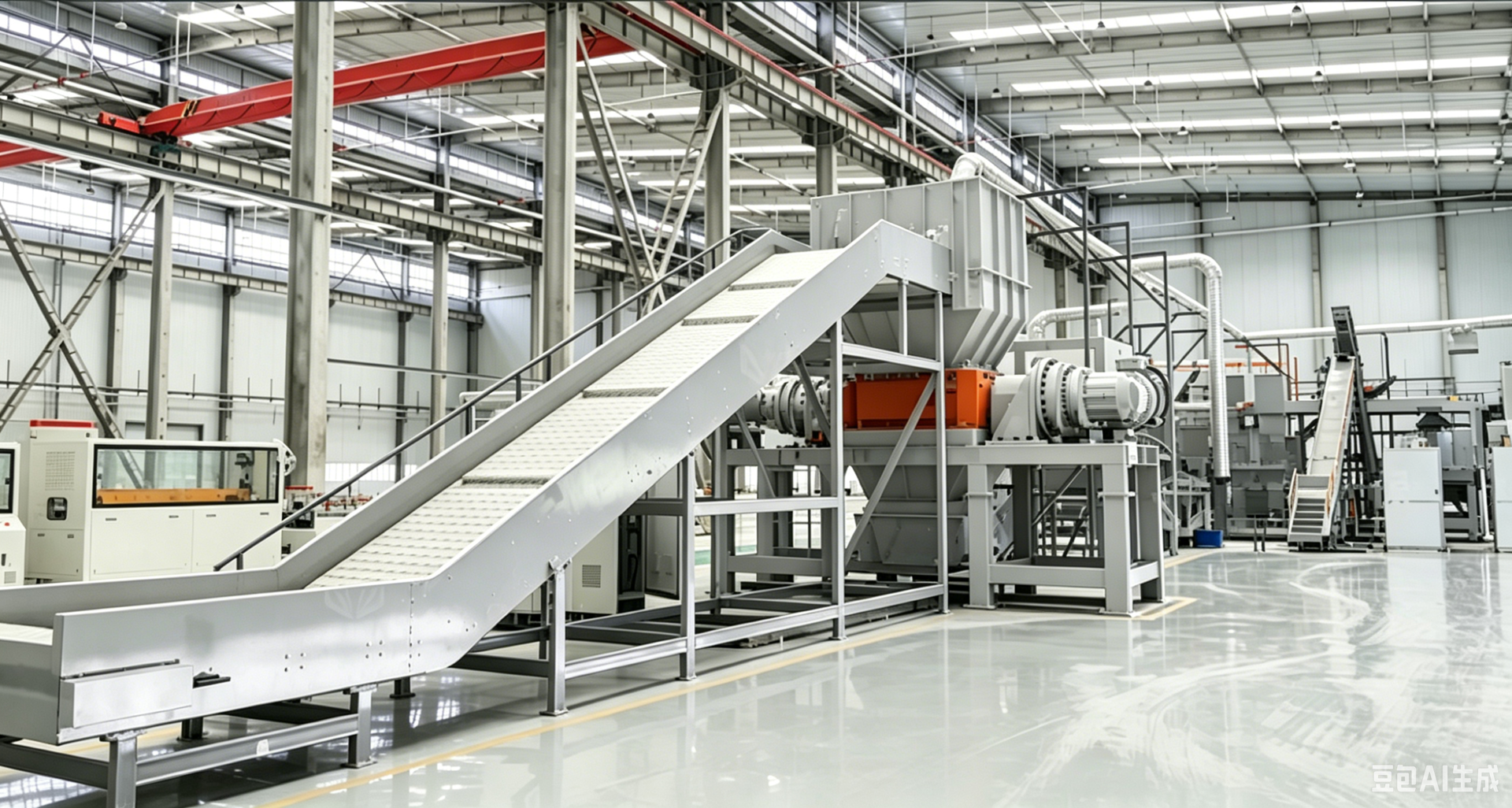
Case 1: New Energy Solid Waste Treatment Demonstration Project, primarily processing retired LFP power batteries, using our complete set of lithium battery recycling equipment, with stable mass production operation. Project results: Equipment hourly processing capacity is stable, annual waste battery processing scale reaches 10,000-ton level; copper metal recovery rate ≥98%, aluminum recovery rate ≥95%, battery black mass recovery rate ≥98%, finished product purity is high and can be directly recycled and reused. The production line operates fully automatically, reducing labor costs by 40%, achieving full environmental compliance with no complaints throughout the process, smoothly passing EIA and safety production acceptance, becoming a local zero-waste factory demonstration project, with the enterprise achieving stable profitability from production launch. Project results: Equipment operates with strong continuous stability, with no fire, dust, or exhaust gas exceedance issues; overall comprehensive resource recovery rate improved by over 15%, effectively reducing high-value lithium battery material losses. Compared to traditional equipment, overall energy consumption reduced by 25%, production efficiency significantly improved, helping enterprises achieve large-scale compliant mass production, significantly improving overall project profitability. 5. Scene Images 6. Solution Value
Fully closed-loop environmental process, compliant treatment of exhaust gas, dust, and solid waste, eliminating environmental penalty risks, easily passing EIA and safety assessment, solving the core problems of difficult production launch and acceptance for recycling enterprises.
Eliminating cumbersome pretreatment procedures, high mass production efficiency; high resource recovery rate and good finished product purity, significantly improving material added value. High equipment automation effectively reduces labor, energy consumption, and O&M costs, with short project payback period and strong profitability stability.
Achieving harmless and resource-based green circular utilization of waste lithium batteries, reducing resource waste, supporting standardized treatment of new energy solid waste, and promoting the safe, standardized, and green upgrading of the lithium battery recycling industry.
- Compliance Value
- Economic Value
- Industry Value
Gallery