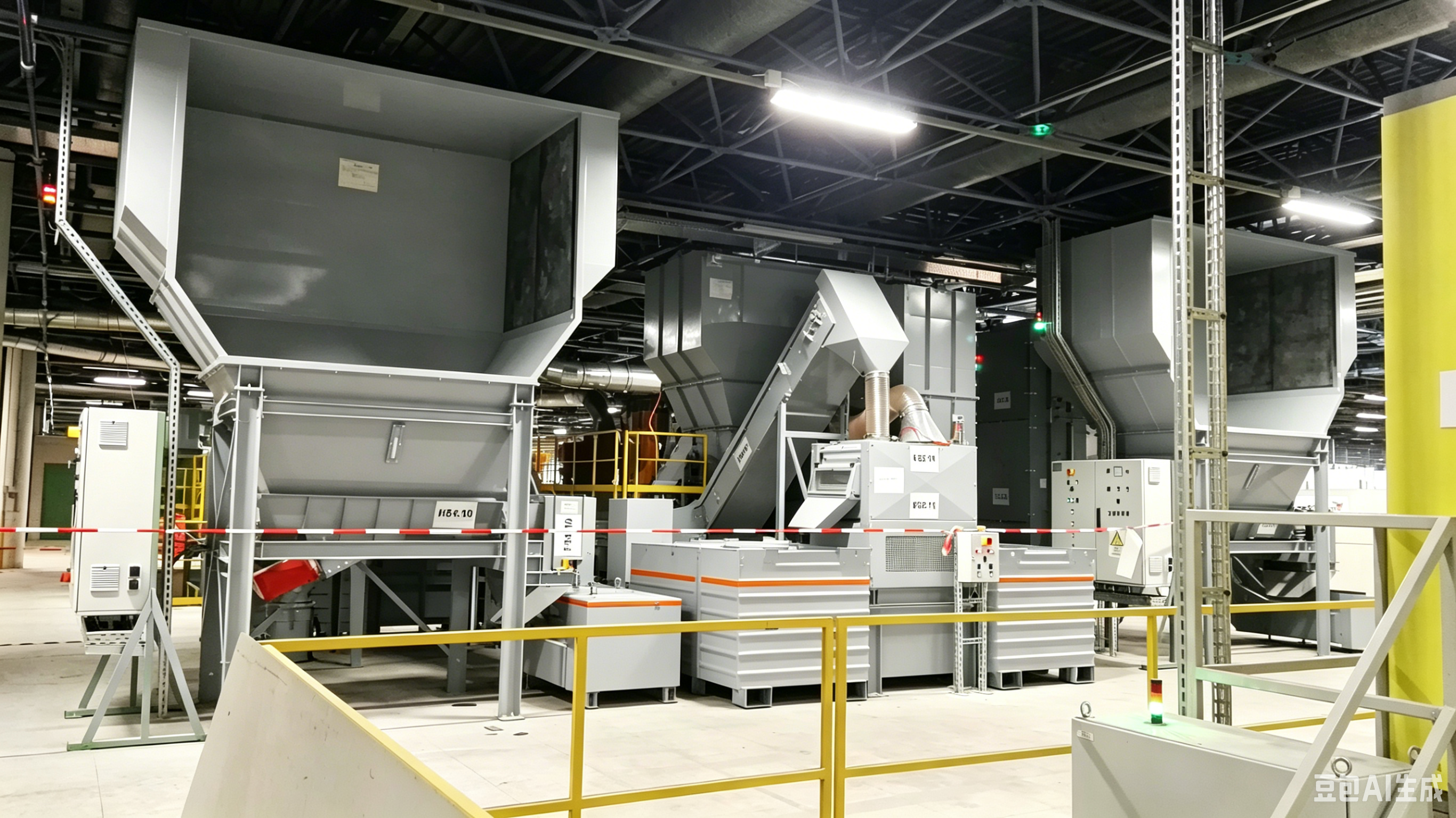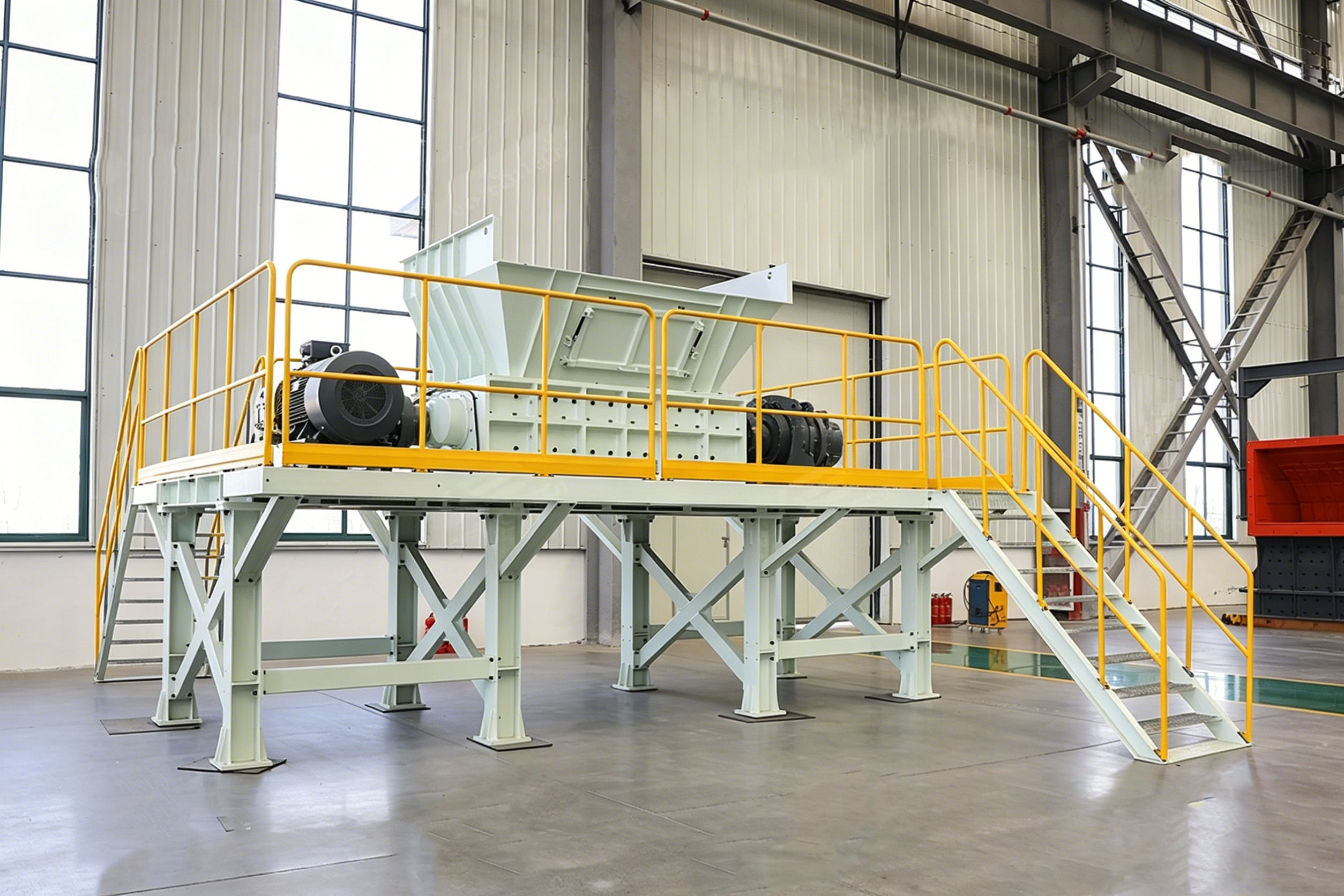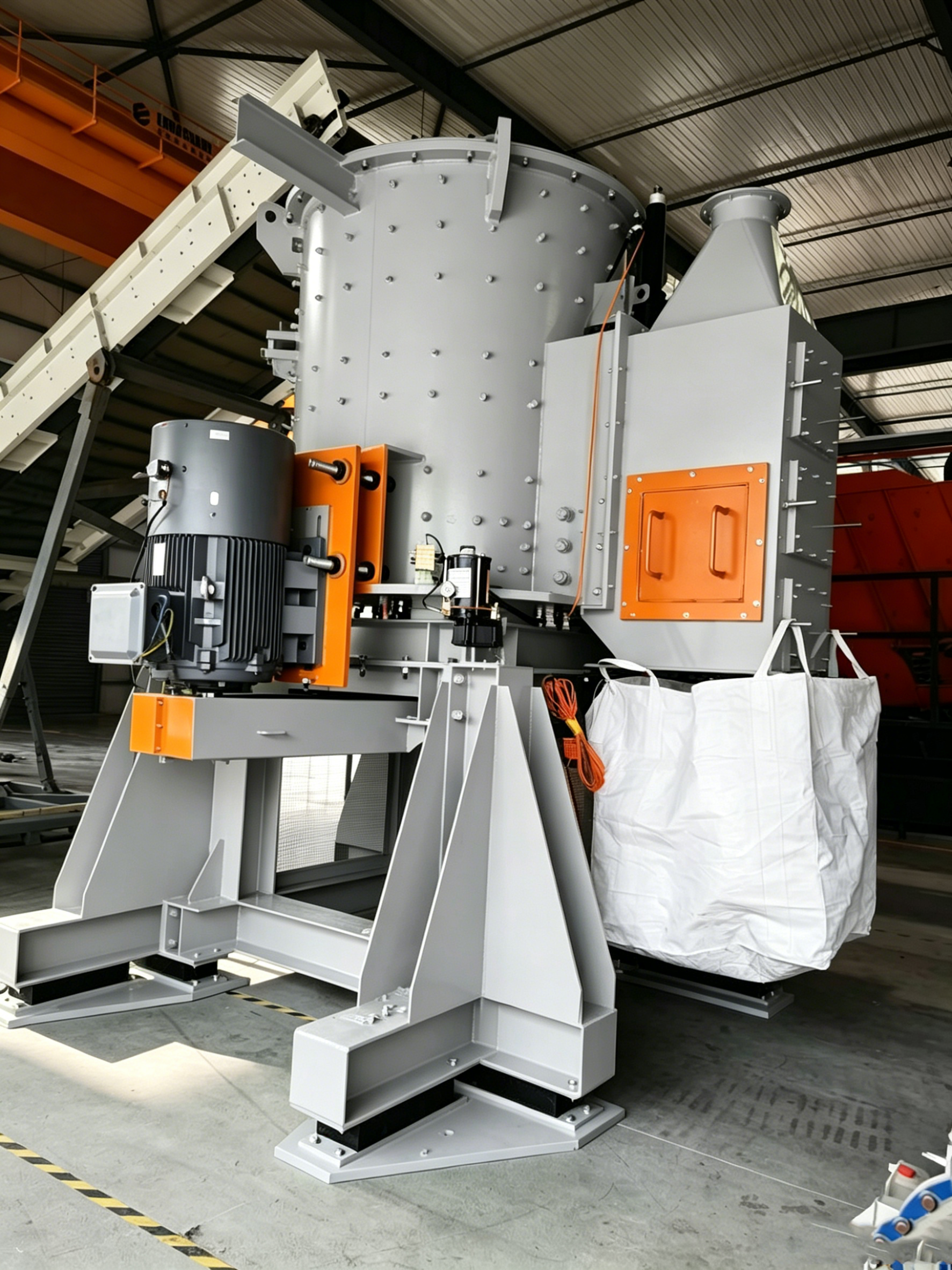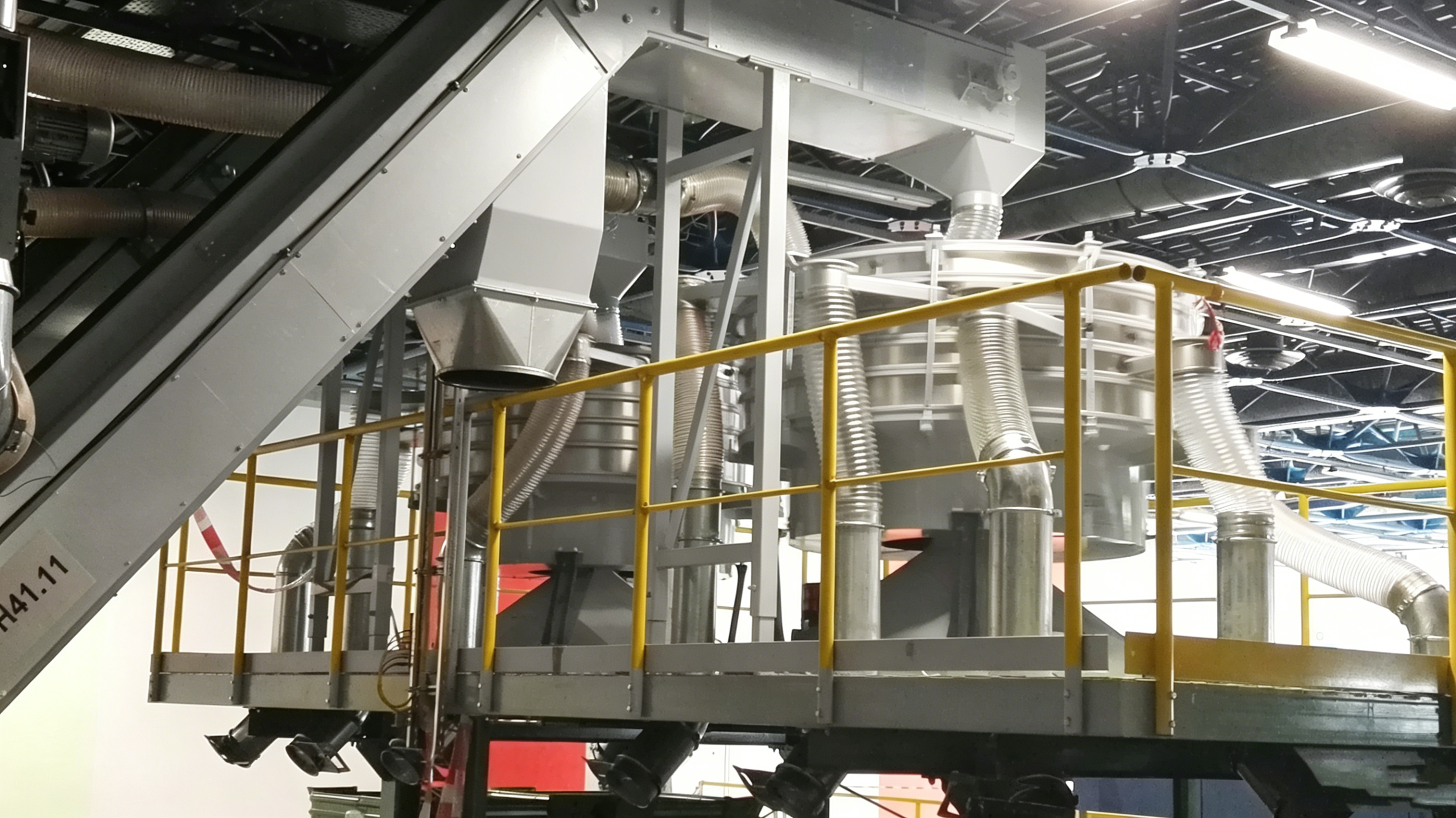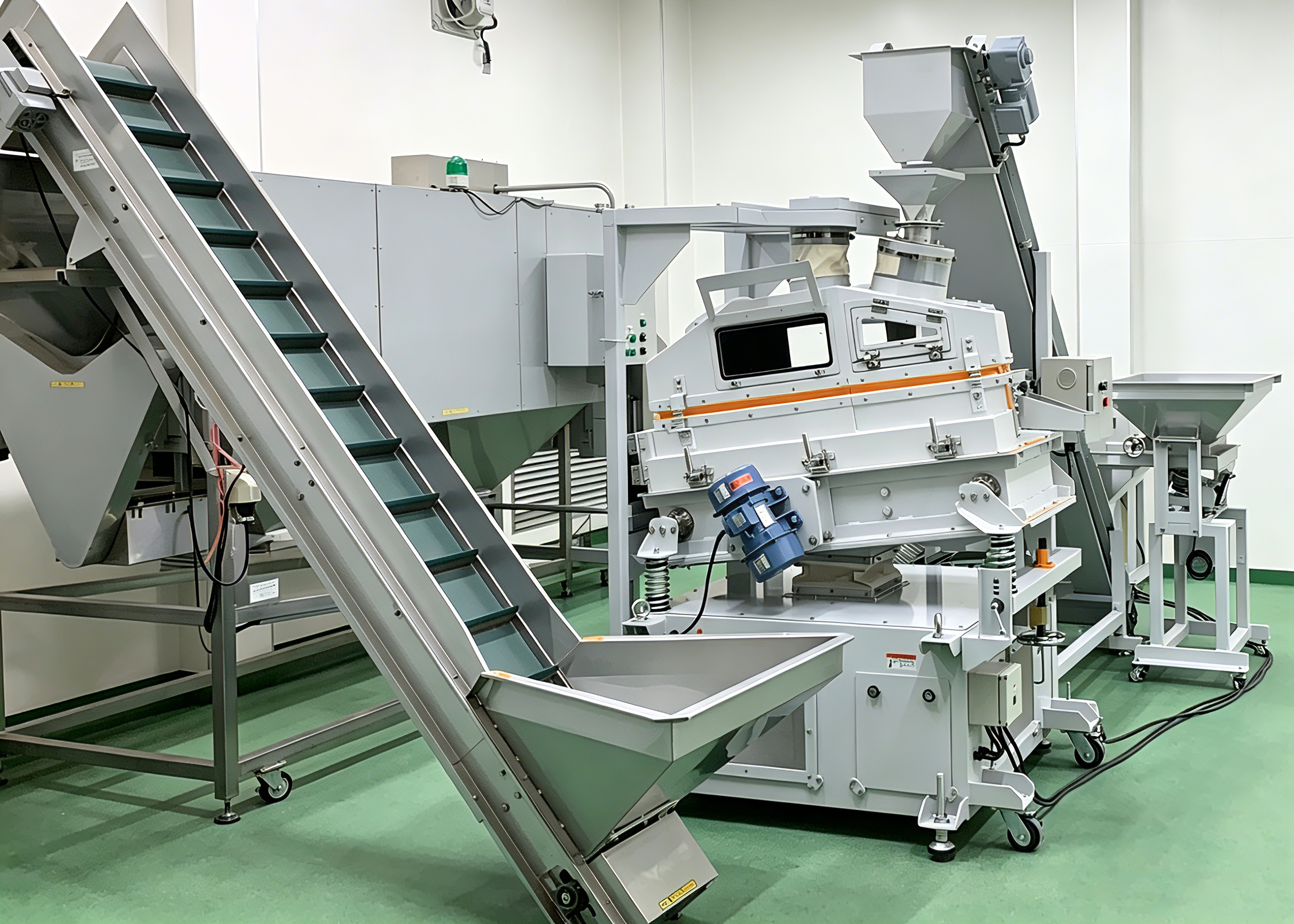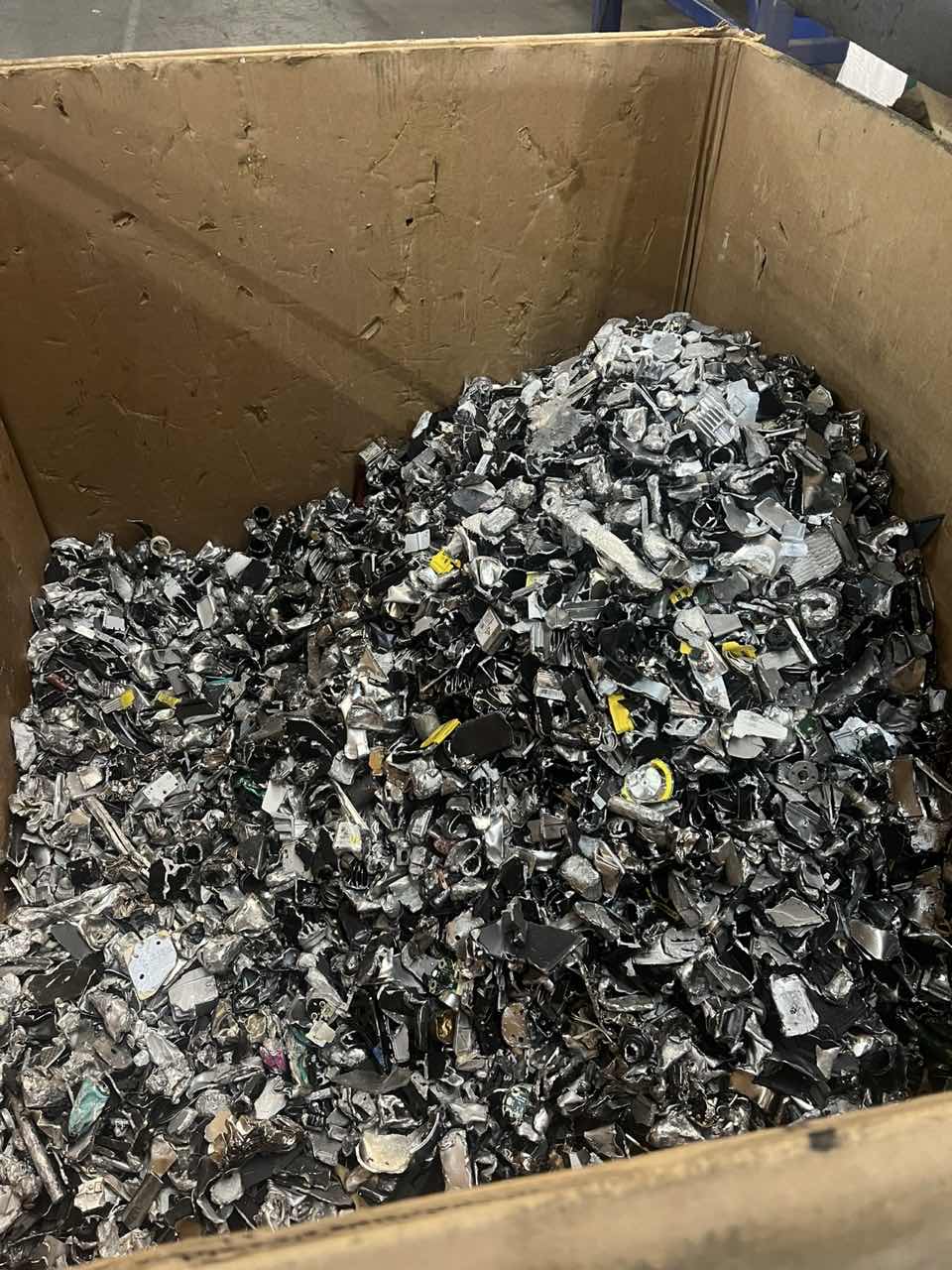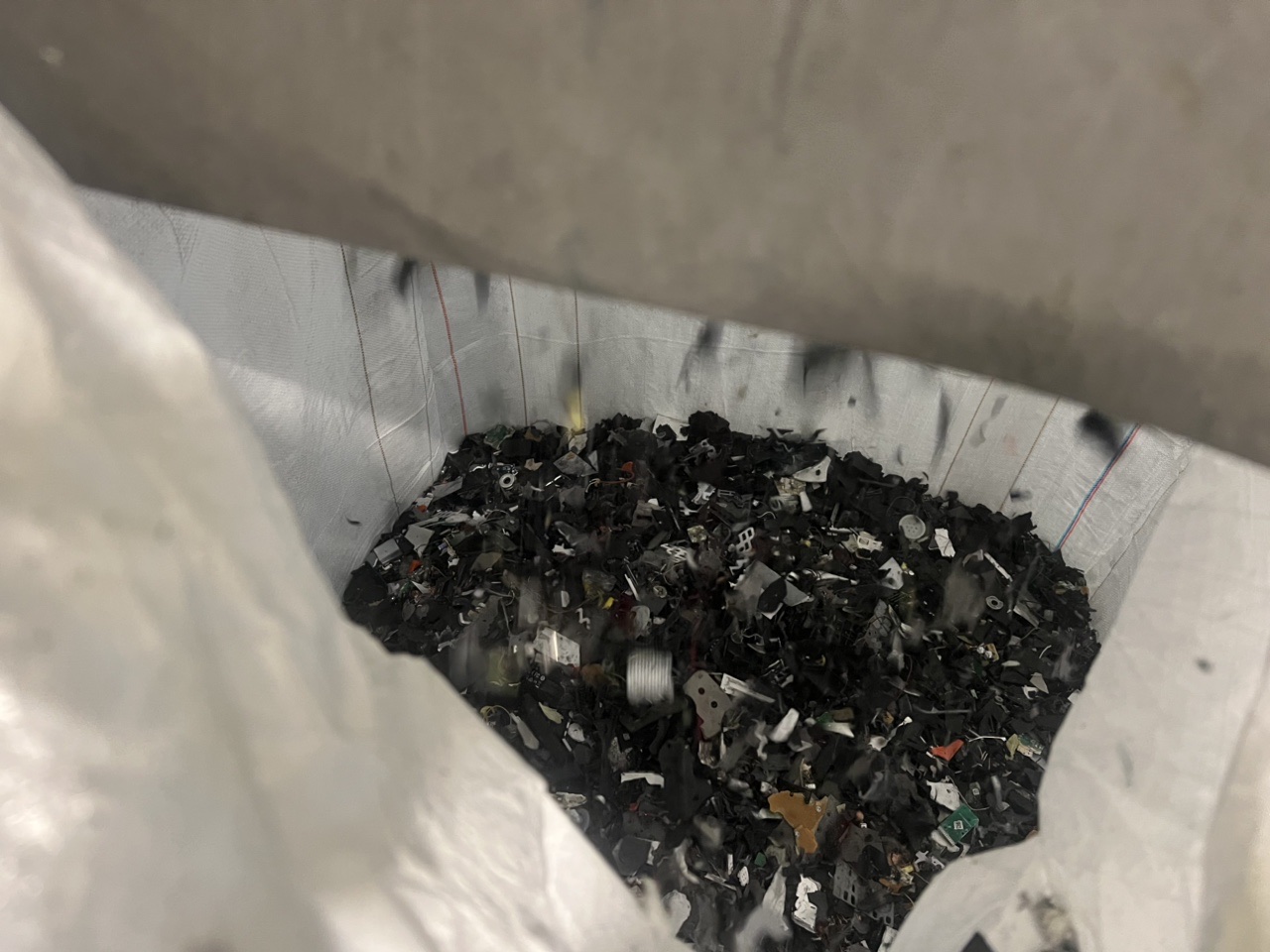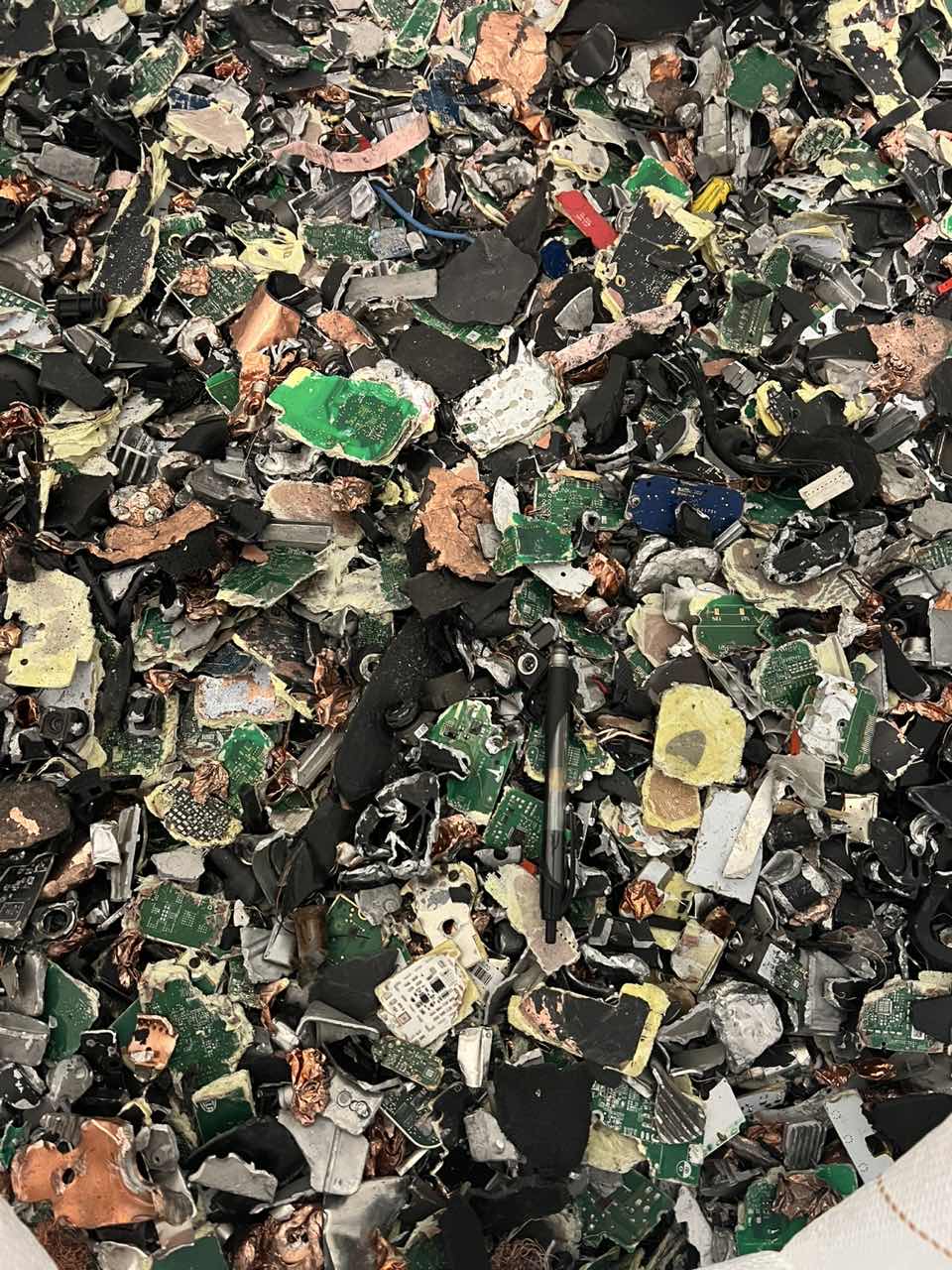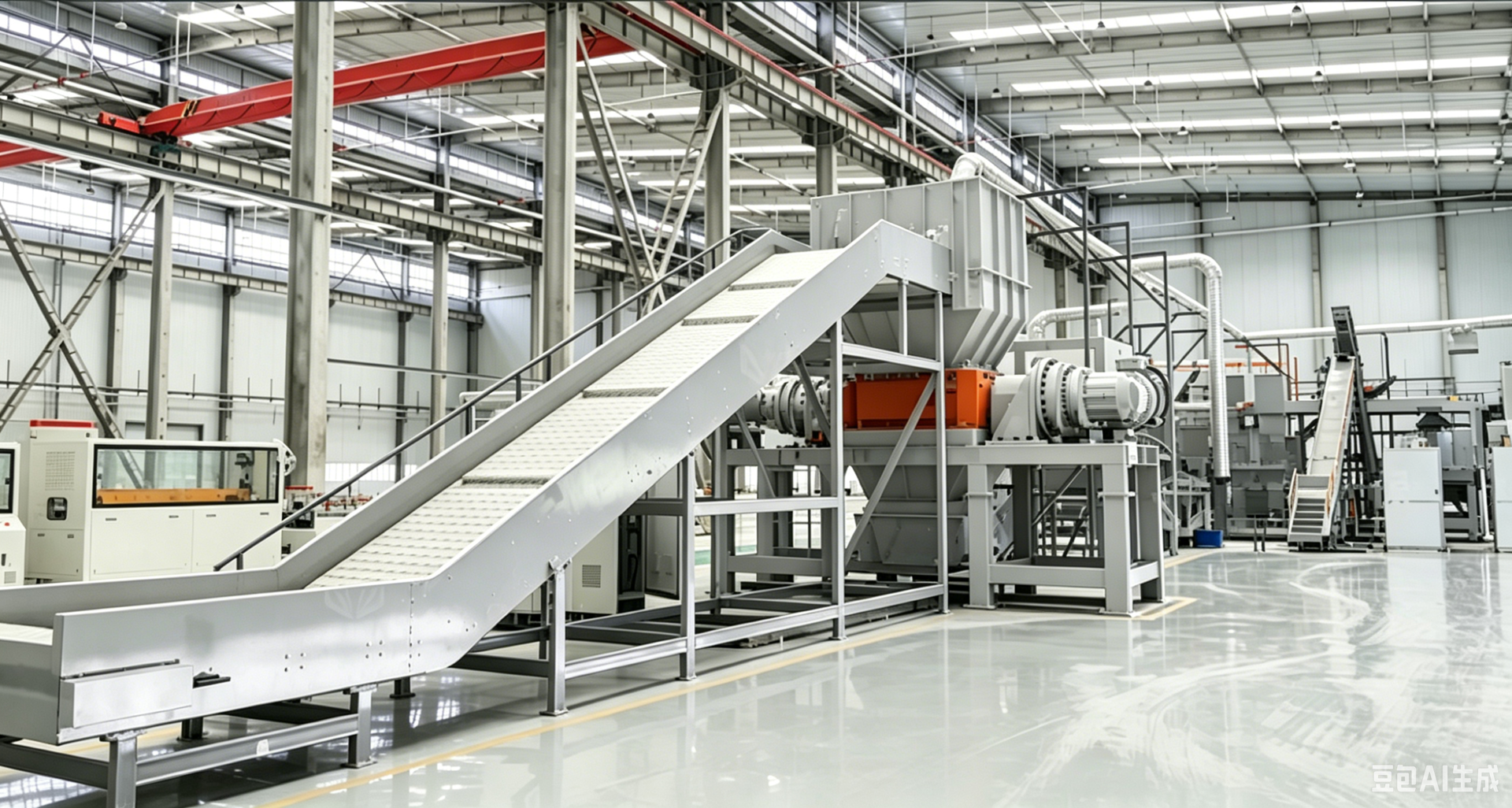
E-waste crushing and sorting production line

Small Appliances & E-Waste Processing

E-Waste Recycling

Targeting small home appliances, electronic appliances, circuit boards, wires, and mixed electrical waste, building a closed-loop process of "collection, pre-disassembly, crushing, sorting, deep resource recovery, and environmental disposal" to transform complex e-waste into reusable metals, plastics, and high-value resources.

INDUSTRY CHALLENGES

Core Pain Points of Small Appliance and E-Waste Processing

Fragmented Collection System

Insufficient integration of online and offline channels, low coverage of community recycling points, "difficult collection, chaotic pricing" remains prominent, affecting the efficiency of standardized collection entry points.

Weak Refined Processing Capability

SMEs largely remain at the "rough disassembly, material selling" stage, with room for improvement in recovery rates of precious metals, high-end plastics, and high-value components in circuit boards.

High Environmental Compliance Costs

Strict requirements for closed-loop treatment of wastewater, exhaust gas, and solid waste; investments in hazardous waste temporary storage, dust control, and VOCs treatment impose continuous pressure on SMEs.

Technology and Equipment Gap

High-end intelligent disassembly, AI sorting, and multi-material precise identification equipment require high stability and precision; domestically manufactured equipment needs continuous improvement through system integration.

PROCESS

Closed-Loop Process from Collection to Finished Product Storage

01

Collection

Collection through "internet + recycling," community recycling cabinets, home appliance stores, and brand trade-in programs, with data erasure and privacy protection completed before entering processing.

02

Temporary Storage and Transfer

Classified temporary storage by small appliances, mixed electrical waste, wires, circuit boards, and hazardous components, establishing inbound records and traceable material flows.

03

Pre-Disassembly

Manual and intelligent equipment collaboration, first removing batteries, displays, compressors, Freon tanks, and other hazardous or high-value components to reduce downstream crushing risks.

04

Coarse and Fine Crushing

Dual-shaft shredders shear whole units into 50-100mm coarse material, then hammer or vertical crushers finely crush to 10-30mm, achieving separation of plastics, metals, and circuit boards.

05

Multi-Stage Sorting

Through Z-type air classification, magnetic separation, eddy current separation, vibrating screening, electrostatic separation, color sorting, and hyperspectral AI sorting, separating iron, non-ferrous metals, plastics, and PCB materials.

06

Deep Resource Recovery

Copper and aluminum smelting and purification, iron re-melting, plastic washing, drying, color sorting, and pelletizing, circuit boards crushed and ground for precious metal extraction.

07

Environmental Disposal

Wastewater treated through sedimentation, reverse osmosis, and reclaimed water reuse; exhaust gas treated through activated carbon adsorption and catalytic combustion; residues and hazardous waste disposed in closed loop per qualification requirements.

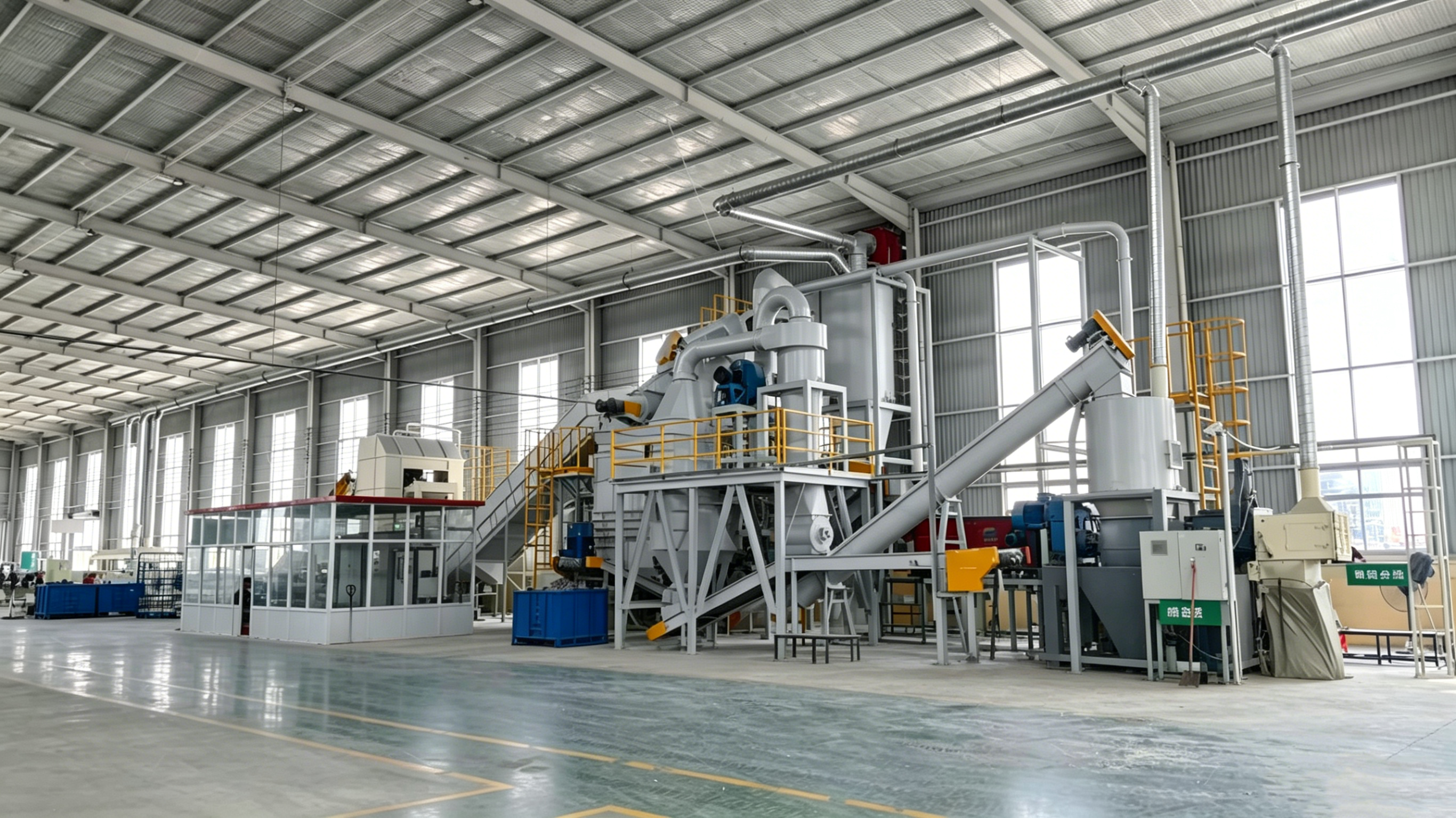
Small appliance and e-waste processing production line

SYSTEM VALUE

System Solution Value

Complete Closed-Loop Process Coverage

Covering collection, pre-disassembly, crushing, sorting, deep resource recovery, and environmental disposal, forming a full-process treatment system for small appliances and e-waste.

Multi-Technology Collaborative Sorting

Magnetic separation, eddy current, electrostatic, infrared spectroscopy, hyperspectral AI, and air classification work in synergy to improve separation efficiency of metals, plastics, circuit boards, and lightweight materials.

Environmental and Safety Front-Loading

Battery explosion-proof disassembly, negative pressure dust collection, exhaust gas collection, and hazardous waste temporary storage are front-loaded to reduce risks of dust, toxic gases, thermal runaway, and secondary pollution.

High-Value Resource Recovery

Directing copper, aluminum, iron, ABS, PP, PC, PCB boards, and precious metals toward recycling and reuse, improving comprehensive recovery revenue and material circular quality.

CORE EQUIPMENT

Core Equipment and Material Images

Intelligent Disassembly Equipment

Vision recognition and multi-axis linkage work in coordination to precisely disassemble screws, connectors, and key components, improving pre-disassembly efficiency.

Battery Explosion-Proof Disassembly Station

Inert gas protection combined with low-temperature cutting to reduce risks of lithium battery fire and explosion.

Display Separation Equipment

Heating and vacuum adsorption work together to non-destructively separate LCD/OLED screens, recovering glass and backlight modules.

Dual-Shaft Shredder

Low-speed high-torque shearing of whole-unit materials, suitable for complex feeds such as small appliances and mixed electrical waste.

Hammer/Vertical Crusher

Crushes coarse material to 10-30mm, fully separating metals, plastics, and circuit boards.

Z-Type Air Classifier and Rotary Vibrating Screen

Removes lightweight materials such as foam, dust, and paper fragments, and stably classifies particle sizes.

Magnetic and Eddy Current Separation

Separates ferrous metals and non-ferrous metals such as copper and aluminum, improving metal material purity and recovery rate.

Electrostatic and Hyperspectral AI Sorting

Using conductivity, material spectra, and AI vision recognition to achieve refined separation of plastics, metals, and circuit boards.

Dual-shaft shear crusher

TECHNICAL NOTES

Key Process Steps and Equipment Indicators

Process/EquipmentDescription
Mainstream process routePhysical process-based, accounting for over 90% of industry treatment processes
Coarse crushing output particle sizeApproximately 50-100mm, adjustable based on unit specifications and downstream processing needs
Fine crushing output particle sizeApproximately 10-30mm, achieving separation of plastics, metals, and circuit boards
Magnetic separation recovery rateFerrous metal recovery rate up to 99%
Eddy current separationCopper, aluminum and other non-ferrous metal sorting purity up to 98%
Electrostatic separationSuitable for 0.1-5mm fine particles, metal purity up to 99.5%
Hyperspectral AI sortingABS, PP, PC and other plastic material identification purity up to 95%+
AI intelligent sorting lineVision recognition and deep learning synergy, capable of automatically classifying 20+ types of materials

OUTPUT MATERIALS

Multi-Component Output and Deep Resource Recovery

After pre-disassembly, two-stage crushing, and multi-stage sorting, e-waste can yield multiple output categories including non-ferrous metals, rigid plastics, PCB boards, and fine particles. Downstream processes can connect to metal purification, plastic modification, and circuit board precious metal extraction to improve comprehensive recovery revenue.

VALUE

Solution Value

Economic Value

Improving recovery rates of precious metals, non-ferrous metals, and high-end plastics, reducing value loss from "rough disassembly and material selling."

Environmental Value

Reducing secondary pollution risks from non-compliant disposal of wastewater, exhaust gas, dust, and hazardous components, promoting standardized recycling and processing.

Industry Value

Supporting the transition of small appliance and e-waste processing from fragmented collection to data traceability, closed-loop processes, and intelligent sorting.

Get Solution